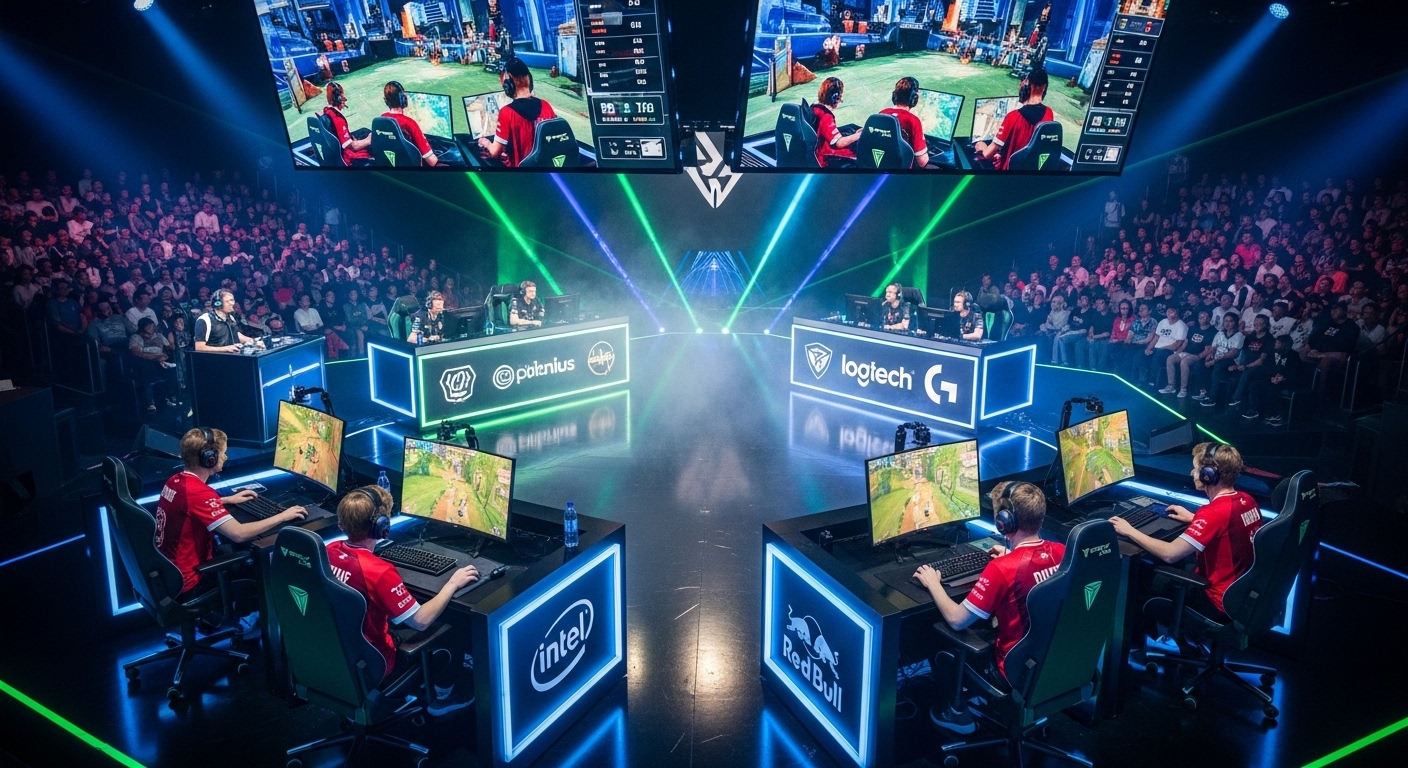
Esports, short for electronic sports, has undergone a meteoric rise over the past two decades. Once a niche hobby for a small group of gaming enthusiasts, esports is now a multi-billion-dollar industry that rivals traditional sports in terms of viewership, sponsorship, and global reach. From local tournaments in small gaming cafes to sold-out arenas hosting world championships, the growth of esports has been nothing short of remarkable.
In this blog post, we’ll dive into the journey of esports, examining its history, rise in popularity, economic impact, and cultural significance. Whether you’re a seasoned gamer, an esports fan, or someone who’s just curious about this emerging industry, this post will give you a comprehensive look at how esports became a global entertainment powerhouse.
What is Esports?
Before we delve into the growth and impact of esports, it’s important to first define what esports actually is. At its core, esports refers to organized, multiplayer video game competitions, often between professional players, teams, or leagues. These competitions are played in various genres, from first-person shooters (FPS) to real-time strategy (RTS) and multiplayer online battle arena (MOBA) games. Titles like League of Legends, Dota 2, Counter-Strike: Global Offensive, Fortnite, and Overwatch have become household names in the esports world.
The term “esports” encompasses more than just the competitions themselves; it refers to a whole ecosystem involving professional players, teams, coaches, broadcasters, commentators, streamers, and fans. Esports events are often live-streamed on platforms like Twitch or YouTube Gaming, with millions of viewers tuning in to watch their favorite players or teams compete.
The Humble Beginnings of Esports
The Early Days: LAN Parties and Local Competitions
Esports didn’t start as a global phenomenon. In the late 1990s and early 2000s, competitive gaming was mostly limited to local area network (LAN) parties. Gamers would gather in someone’s home or a rented venue to play multiplayer games like Quake, StarCraft, and Warcraft. These gatherings were informal and small-scale, but they planted the seeds for competitive gaming culture.
The first major international esports competition is often credited to the Red Annihilation Tournament in 1997, where the Quake players competed for a grand prize—a Ferrari. Though the tournament had only a few thousand participants, it set the stage for what would eventually become a multi-billion-dollar industry.
In the early 2000s, as internet access improved and gaming platforms like Battle.net (for Blizzard games like Warcraft and StarCraft) grew in popularity, online multiplayer gaming became more accessible. This led to the formation of larger-scale tournaments like the World Cyber Games (WCG) and Electronic Sports World Cup (ESWC), which brought together top players from around the world.
The Rise of Professional Leagues
The real turning point for esports came in the mid-2000s, as game developers and organizations began to realize the potential of competitive gaming on a professional level. The launch of Major League Gaming (MLG) in 2002 marked one of the first major attempts to formalize esports into a professional league. MLG’s tournaments were focused on Halo and Call of Duty, and it helped bring competitive gaming into the mainstream.
In 2011, the launch of League of Legends by Riot Games became a defining moment for the esports industry. The game’s free-to-play model and massive online player base laid the groundwork for one of the most successful esports titles of all time. League of Legends became the foundation for the League of Legends Championship Series (LCS), which started in 2013 and has since become one of the most watched esports leagues globally.
Another key milestone came with The International, the annual championship tournament for Dota 2, which started in 2011. What made The International unique was its massive prize pool, crowdfunded by the Dota 2 community. This model proved successful, as the prize pool for The International reached over $40 million in 2021, making it one of the richest esports events in history.
The Explosion of Popularity
Esports in the Mainstream Media
By the 2010s, esports began to make its way into mainstream media. Traditional sports networks and television channels started to take notice of the growing interest in competitive gaming. ESPN began broadcasting major esports events, and even Fox Sports started covering the League of Legends World Championship. This move signified the mainstream acceptance of esports as a legitimate form of competition and entertainment.
Streaming platforms like Twitch and YouTube Gaming also played a crucial role in the explosion of esports. These platforms allowed anyone with an internet connection to watch live streams of esports competitions from anywhere in the world. The accessibility of these platforms gave rise to a new generation of esports fans who could tune in to matches and tournaments with just a few clicks.
The Role of Sponsorships and Advertising
The commercial success of esports is largely driven by sponsorships, advertisements, and media rights deals. Major companies from a variety of industries, including technology, energy drinks, and consumer goods, have invested heavily in esports. Companies like Intel, Coca-Cola, and Red Bull have all partnered with esports teams, players, and events, injecting millions of dollars into the ecosystem.
These sponsorship deals are not limited to just the events themselves. Esports teams and players often secure personal endorsements, with companies like Adidas, Nike, and Monster Energy sponsoring top-tier players and organizations. These sponsorships have helped professional esports players build lucrative careers similar to athletes in traditional sports.
The Economic Impact of Esports
The Multimillion-Dollar Industry
Esports is now a massive industry in its own right. According to recent reports, the global esports industry is expected to surpass $1.5 billion in revenue by 2023. The primary sources of revenue for the esports industry come from media rights, sponsorships, merchandise sales, and ticket sales for live events.
In addition to the money flowing into professional leagues and tournaments, esports has also created new job opportunities in areas such as event management, broadcasting, content creation, and digital marketing. Professional esports players can earn six-figure salaries, and top players can make even more money from streaming platforms and sponsorships.
The Role of Streaming Platforms
The rise of live-streaming platforms such as Twitch, YouTube Gaming, and Facebook Gaming has significantly boosted the revenue potential for both players and events. These platforms allow fans to watch their favorite players or teams compete in real-time, while also providing content creators with the opportunity to earn money through advertisements, subscriptions, and donations.
Streamers like Ninja (Tyler Blevins), Shroud (Michael Grzesiek), and PewDiePie (Felix Kjellberg) have become household names, drawing millions of viewers and making substantial incomes from their streams. Their popularity has brought more attention to esports, and many of these top streamers are now crossovers between competitive gaming and entertainment personalities.
Esports as a Global Cultural Phenomenon
The Social Impact of Esports
Beyond its economic impact, esports has also had a significant social impact. Competitive gaming has created a global community of fans and players who connect through their shared love of games. This online community is often a welcoming space for people to interact, make friends, and form teams across geographical boundaries. Many esports players and fans form lasting friendships and relationships through the communities built around esports games.
Esports has also contributed to breaking down cultural barriers. International competitions, such as The International and League of Legends World Championship, bring together players from different countries and backgrounds, allowing for cross-cultural exchange and collaboration. Fans from around the world can tune in to watch these tournaments and support their favorite players, regardless of where they live.
Esports and Youth Culture
Esports has become an integral part of youth culture, especially among Gen Z and millennials. For many young people, watching esports is just as exciting as watching traditional sports like football or basketball. It has created a new form of entertainment that resonates with a digital-native generation.
Additionally, esports has become a career path for many aspiring players and professionals. Colleges and universities now offer scholarships for esports athletes, and some even have dedicated esports programs to train the next generation of professional gamers, coaches, and content creators.
The Future of Esports
The Expansion of Mobile Gaming
One of the most significant trends in the future of esports is the rise of mobile gaming. Games like PUBG Mobile, Mobile Legends, and Call of Duty: Mobile have become hugely popular, particularly in regions like Southeast Asia and India. Mobile esports has the potential to reach even broader audiences, given the widespread use of smartphones and the relatively low cost of mobile gaming.
As mobile esports continue to grow, we can expect to see more mobile-specific tournaments, leagues, and sponsorships emerging, further solidifying mobile gaming as a legitimate competitive sport.
The Integration of VR and AR
Virtual Reality (VR) and Augmented Reality (AR) technologies are beginning to find their way into the esports space. These technologies have the potential to create entirely new gaming experiences, offering players and spectators more immersive and interactive ways to engage with esports events. As VR and AR technology continues to improve, we may see more esports titles incorporating these elements into their gameplay and spectator experiences.
Conclusion
Esports has evolved from a niche hobby to a global entertainment industry, attracting millions of fans and billions of dollars in revenue. With its growing influence in mainstream media, sponsorships, and cultural impact, esports is firmly entrenched as a major force in the world of entertainment.