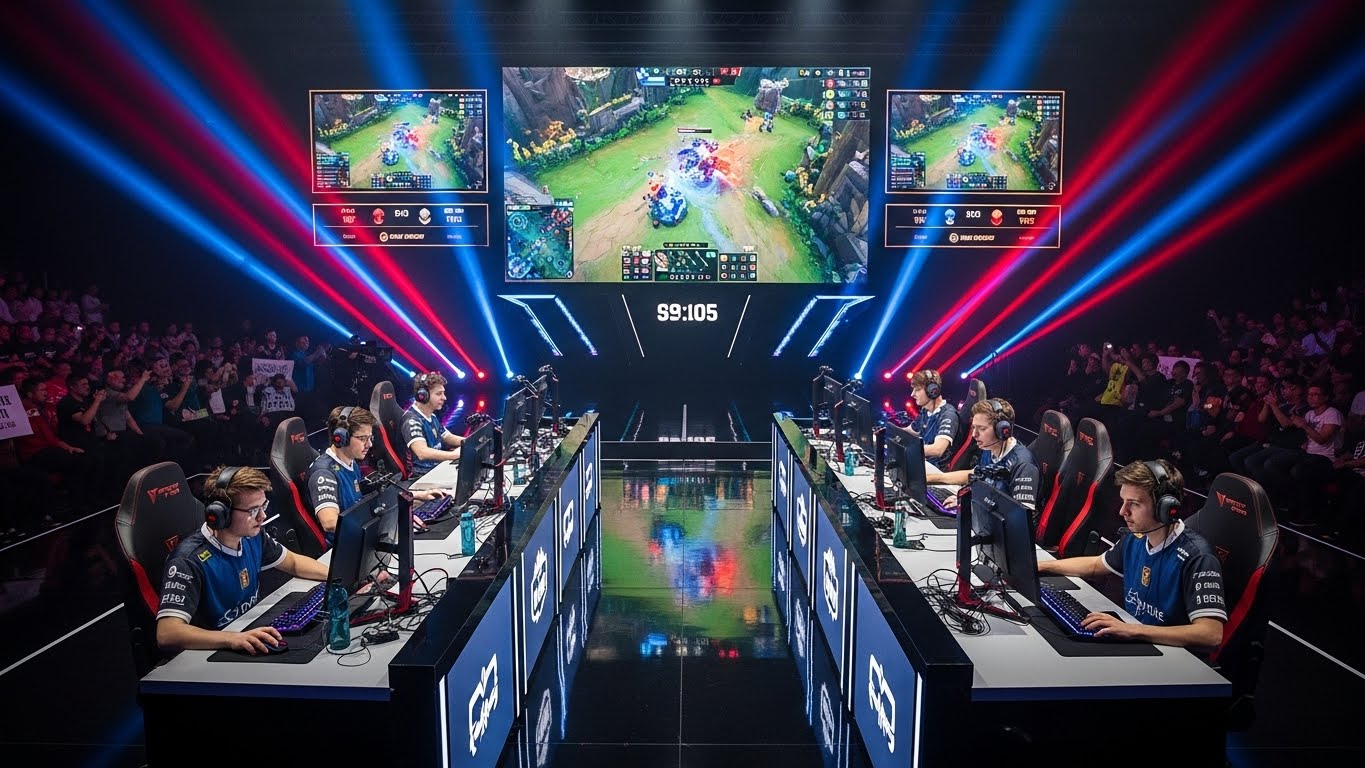
Introduction: The Evolution of Esports
Esports has emerged as one of the fastest-growing industries in the world, transforming the way people perceive competitive gaming. What began as small-scale tournaments among friends and gaming enthusiasts has now developed into a global phenomenon. Players compete professionally, fans watch live streams in the millions, and organizations operate like major sports franchises. Esports is not just a form of entertainment; it is a reflection of cultural, technological, and social evolution, bridging the gap between traditional sports and digital experiences.
The Origins of Competitive Gaming
Competitive gaming has roots that trace back several decades. In the 1970s and 1980s, arcade games like Space Invaders and Pac-Man introduced players to the thrill of competition. High-score competitions became popular in gaming arcades, giving rise to early forms of esports. The 1990s brought multiplayer gaming to the PC with titles such as Doom and Quake, allowing players to face each other online. The establishment of early leagues and tournaments during this period created communities of players who were dedicated to improving their skills and competing at higher levels. These foundations laid the groundwork for modern esports.
The Transformation from Hobby to Profession
In the early 2000s, esports began evolving into a professional pursuit. Gaming organizations started forming teams, signing contracts with players, and participating in organized leagues. Players today are highly trained athletes who devote hours to practice, strategy, and skill development. Unlike casual gaming, professional esports requires rigorous preparation, including mental training, teamwork exercises, and physical health management. Many players have coaches and analysts who help them refine strategies and maintain peak performance, reflecting the level of dedication seen in traditional sports.
Popular Game Titles That Shaped Esports
Certain games have been instrumental in driving the growth of esports. Multiplayer Online Battle Arenas like League of Legends and Dota 2 demand complex team strategies and precise coordination. First-person shooters such as Counter-Strike and Valorant focus on reflexes, aim accuracy, and tactical thinking. Sports simulations like FIFA attract players who appreciate both the competitive and realistic aspects of gaming. Each genre contributes to the diversity of esports, ensuring there is a competitive platform for different types of players and audiences.
The Global Audience Phenomenon
One of the most remarkable aspects of esports is its audience. Millions of viewers watch live tournaments online or attend in-person events. The community extends across continents, making esports a truly global phenomenon. Fans follow their favorite teams, engage in discussions on social media, and even mimic professional gameplay in their personal gaming sessions. This level of engagement is unprecedented in entertainment industries, illustrating how esports has created a unique culture of fandom that blends passion, loyalty, and participation.
Esports Organizations and Their Structure
Modern esports teams resemble traditional sports franchises in structure and operations. Teams are managed by professional staff, including coaches, analysts, marketing teams, and medical professionals. Organizations provide players with training facilities equipped with advanced technology to maximize performance. Additionally, many teams engage in brand building through content creation, merchandise sales, and social media engagement. The professionalization of esports teams has made it possible for players to pursue long-term careers while contributing to the growth and stability of the industry.
Training and Strategic Excellence
Competitive gaming demands more than quick reflexes; it requires analytical thinking, teamwork, and consistent practice. Players engage in daily training routines that include scrimmages, review of gameplay, and strategy development. Coaches analyze opponents’ tactics to identify weaknesses and devise counter-strategies. Beyond physical skills, players focus on mental endurance, stress management, and maintaining peak focus during high-pressure situations. The combination of mental, physical, and strategic preparation makes esports a rigorous and highly competitive environment.
Economic Impact and Revenue Generation
Esports has become a multi-billion-dollar industry, generating revenue through sponsorships, advertising, media rights, merchandise, and event ticket sales. Major brands collaborate with esports organizations to reach younger, tech-savvy audiences. Prize pools for international tournaments have skyrocketed, often reaching millions of dollars, offering lucrative incentives for players and teams. The economic impact of esports extends beyond the players and teams, creating jobs in event management, broadcasting, marketing, and content production. The industry continues to expand rapidly, attracting investors and corporations looking to capitalize on its popularity.
Streaming Platforms and Fan Engagement
Streaming platforms have revolutionized esports by making competitions accessible to a global audience. Platforms allow fans to watch live events, interact with players, and follow professional careers in real-time. Many players also build personal brands by streaming gameplay, providing tutorials, or sharing insights into their training regimens. This direct interaction with audiences has created an immersive fan experience and strengthened the community aspect of esports. The combination of live events and online content ensures that fans remain engaged and connected to their favorite games and players.
Cultural Influence and Lifestyle Integration
Esports has had a significant cultural impact, influencing fashion, music, entertainment, and lifestyle trends. Gaming-inspired apparel, merchandise, and team branding have become mainstream, appealing to fans worldwide. Esports events often feature music performances, fan meetups, and interactive experiences, creating a festival-like atmosphere. Moreover, esports has empowered individuals to pursue careers beyond playing games, including roles in content creation, analysis, coaching, and game development. The integration of esports into daily life demonstrates its cultural significance and growing influence.
Challenges Facing the Industry
Despite its success, esports faces several challenges. Player burnout and mental health issues are common due to intense training schedules and performance pressure. Maintaining fair play requires strict regulations and anti-cheating measures. The rapid evolution of games and technology means organizations must constantly adapt to new trends and platforms. Additionally, the international nature of esports introduces logistical challenges, including travel, differing regulations, and cross-cultural communication. Addressing these challenges is essential for the long-term sustainability of the industry.
Education and Esports Opportunities
Education systems are beginning to recognize esports as a legitimate career path. Many universities offer scholarships, establish collegiate leagues, and provide academic programs focused on esports management, broadcasting, and game development. These opportunities allow students to turn their passion into professional careers while learning valuable skills such as teamwork, leadership, and digital literacy. Integrating esports into education also encourages positive competition, community building, and innovation, preparing the next generation for roles in the rapidly growing gaming industry.
The Future of Esports
The future of esports is filled with possibilities. Advances in technology, including virtual reality, augmented reality, and artificial intelligence, are likely to create new competitive experiences. Mobile esports continues to expand, making professional gaming accessible to a broader audience. International investment in esports infrastructure, including arenas and leagues, reflects the growing importance of competitive gaming globally. As the industry continues to innovate, esports is poised to become an even more integral part of global entertainment, creating opportunities for players, creators, and fans alike.
Conclusion: The Lasting Impact of Esports
Esports has grown from humble beginnings into a global industry that blends competition, culture, and technology. It has redefined what it means to be an athlete, a fan, and a community member in the digital era. With continued growth, innovation, and cultural acceptance, esports is set to shape the future of entertainment and sports. It represents a new era where skill, strategy, and creativity converge, providing both players and audiences with experiences that transcend traditional boundaries. The rise of esports is not just a trend—it is a transformative movement redefining competition in the modern world.