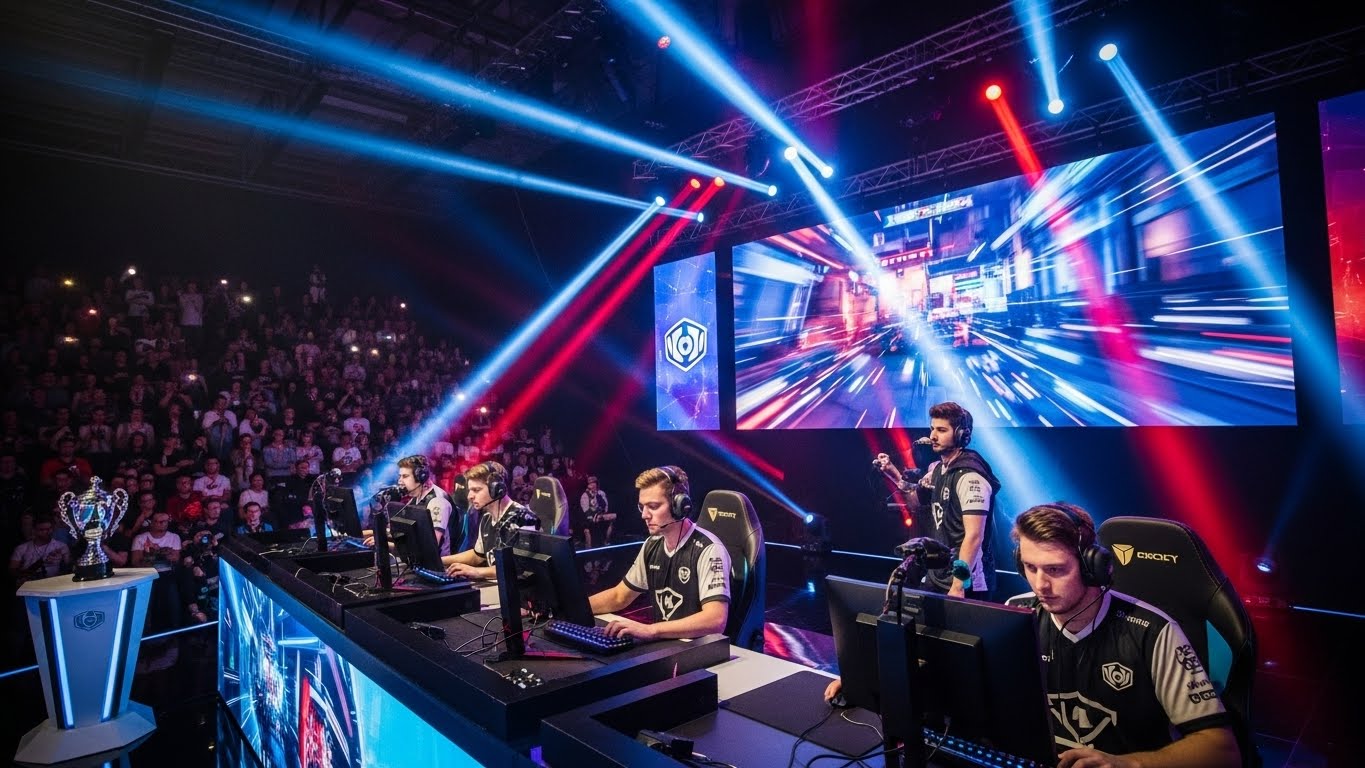
Esports, the competitive world of video gaming, has grown from niche communities into a global phenomenon. What began as casual competitions among friends has evolved into a multi-billion-dollar industry with professional leagues, international tournaments, and dedicated fanbases. Beyond entertainment, esports has transformed education, culture, technology, and careers, making it a significant force in the modern world. This article explores the evolution, impact, and future of esports, highlighting its significance beyond the screen.
The Rise of Esports
Esports has a surprisingly long history. The first organized video game competition took place in 1972 at Stanford University, where players competed in the game “Spacewar.” Throughout the 1980s and 1990s, arcade tournaments and early PC games like “Quake” and “StarCraft” created competitive communities. The real surge, however, came with the advent of high-speed internet and online gaming in the 2000s.
Games like “League of Legends,” “Counter-Strike,” and “Dota 2” brought players together globally, while streaming platforms allowed fans to watch competitions live. Today, esports spans multiple genres, from first-person shooters and real-time strategy games to mobile titles, attracting millions of viewers and participants worldwide.
Physical and Mental Benefits of Esports
Contrary to popular belief, esports is not entirely sedentary. While it does not provide the same physical exercise as traditional sports, it requires exceptional hand-eye coordination, reflexes, and fine motor skills. Professional players spend hours practicing precision movements, reaction times, and multitasking, which strengthens neural pathways and cognitive abilities.
Mentally, esports fosters strategic thinking, problem-solving, and adaptability. Players must analyze opponents, develop tactics, and make quick decisions under pressure. Additionally, esports encourages discipline and resilience. Consistent practice, studying opponents, and learning from mistakes are integral to success, helping players develop patience and perseverance.
Some studies even suggest that competitive gaming improves attention span and memory, especially in younger players. Mental agility, teamwork, and adaptability gained from esports often translate into other aspects of life, demonstrating that gaming can be both fun and educational.
Social Impact and Community Building
Esports has created vibrant social communities. Online multiplayer games require teamwork, communication, and coordination, building social skills that extend beyond gaming. Gamers often form friendships and professional networks that cross national and cultural boundaries.
Live tournaments and streaming platforms further enhance social interaction. Fans watch their favorite players, discuss strategies, and engage in online communities, creating a sense of belonging. Esports communities often emphasize inclusivity, welcoming individuals of diverse backgrounds. This social environment highlights the role of esports in connecting people and fostering collaboration.
Esports as a Professional Career
Esports has developed into a legitimate career path for skilled players. Professional gamers can earn income through tournament winnings, sponsorships, streaming, and content creation. Top esports athletes rival traditional sports stars in fame and earnings, with some earning millions annually.
Careers in esports extend beyond players. Coaches, analysts, commentators, event organizers, and broadcasters all contribute to the industry. Universities and colleges are increasingly offering esports scholarships and degree programs, formalizing education in game strategy, esports management, and digital media. This professionalization has turned esports into a sustainable, organized, and respected field.
Economic Influence of Esports
The economic impact of esports is significant. The industry generates revenue through tournaments, sponsorships, advertising, media rights, and merchandise. Companies recognize esports as a marketing opportunity, reaching tech-savvy, engaged audiences.
Esports also drives job creation in sectors like event management, digital media, and game development. Cities around the world are investing in esports arenas and training facilities, reflecting the sector’s growing economic importance. Beyond direct revenue, esports influences tourism, entertainment, and technology markets, highlighting its wide-reaching impact.
Technological Advancements Driving Esports
Technology is at the heart of esports growth. High-performance gaming computers, consoles, fast internet, and streaming platforms make global competitions possible. Innovations like virtual reality, augmented reality, and cloud gaming are creating more immersive experiences for both players and audiences.
Artificial intelligence and analytics are transforming esports strategy. AI can analyze gameplay, predict opponents’ moves, and optimize training routines. Streaming platforms allow millions of fans to watch live tournaments, interact with players, and share experiences in real-time. Technology not only enhances gameplay but also shapes how audiences engage with esports.
Educational Potential of Esports
Esports is increasingly recognized as an educational tool. Schools and universities are integrating esports programs to teach teamwork, leadership, and problem-solving. Participation in esports encourages critical thinking, strategic planning, and creativity. Players analyze tactics, adapt to changing situations, and respond quickly to challenges.
Esports programs also provide opportunities for students interested in technology, media, and business. Courses in game design, esports management, and digital marketing prepare young individuals for careers in the industry. The educational value of esports demonstrates that gaming can be both engaging and intellectually enriching.
Health Considerations in Esports
While esports offers cognitive and social benefits, health concerns are important. Extended gaming sessions can lead to physical strain, eye fatigue, and poor posture. Sedentary lifestyles and irregular schedules can contribute to long-term health risks.
Mental health is another consideration. Professional players face high-pressure environments that can lead to stress, anxiety, and burnout. Addressing these challenges requires awareness, structured schedules, physical exercise, and mental health support. As the industry matures, prioritizing player well-being is essential for sustainable growth.
Gender and Diversity in Esports
Esports has historically been male-dominated, but diversity is improving. More women are entering competitive gaming, challenging stereotypes, and achieving success in tournaments. Promoting gender equality is essential for inclusivity and representation in esports communities.
Efforts to create safe and supportive spaces for women and underrepresented groups are growing. Inclusive competitions, mentorship programs, and community initiatives ensure that esports remains accessible to all. Diversity strengthens the industry, broadens its audience, and fosters innovation.
Cultural Impact of Esports
Esports has become a cultural force worldwide. Major tournaments attract millions of viewers from Asia, Europe, North America, and beyond. Games like “Fortnite,” “Valorant,” and “League of Legends” have fanbases that span continents, creating shared cultural experiences.
Esports also influences entertainment, fashion, and media. Streamers and professional players have become global celebrities, shaping trends and inspiring millions. The cultural significance of esports reflects the changing nature of competition, entertainment, and community in the digital era.
Challenges Facing the Esports Industry
Despite its growth, esports faces several challenges. Cheating, toxicity, and lack of regulation can undermine credibility. Player health and burnout are ongoing concerns. Additionally, accessibility remains an issue, as not all regions or communities have equal access to technology and training opportunities.
Addressing these challenges requires collaboration among game developers, tournament organizers, educators, and policymakers. Establishing standardized rules, promoting fair play, and supporting player welfare are essential steps for the industry’s continued success.
The Future of Esports
The future of esports is bright and dynamic. Technological innovations such as virtual reality, augmented reality, and AI will continue to redefine gameplay and audience engagement. Evolving tournament structures and global leagues will expand opportunities for professional players and content creators.
Esports is likely to play an increasingly important role in education, culture, and social interaction. It may become a key avenue for skill development, career opportunities, and community building. As the industry matures, addressing health, inclusivity, and regulation will ensure its long-term sustainability and relevance.
Conclusion: Esports as a Transformative Force
Esports is far more than competitive gaming; it is a transformative force that shapes culture, technology, education, and careers. It offers cognitive, social, and professional benefits, while fostering community and global connectivity. The industry’s economic and technological impact demonstrates its significance in the modern world.
For players, esports develops discipline, strategic thinking, and resilience. For fans, it creates shared experiences and a sense of belonging. For society, it drives innovation, education, and cultural exchange. As esports continues to grow, it proves that the digital arena is not just a space for entertainment—it is a platform for human potential, creativity, and achievement.
Esports has redefined competition, showing that dedication, skill, and collaboration extend beyond traditional fields. In this digital age, esports is not just a pastime—it is a movement that continues to shape the way we play, connect, and grow.