Introduction: From Hobby to High-Stakes Competition
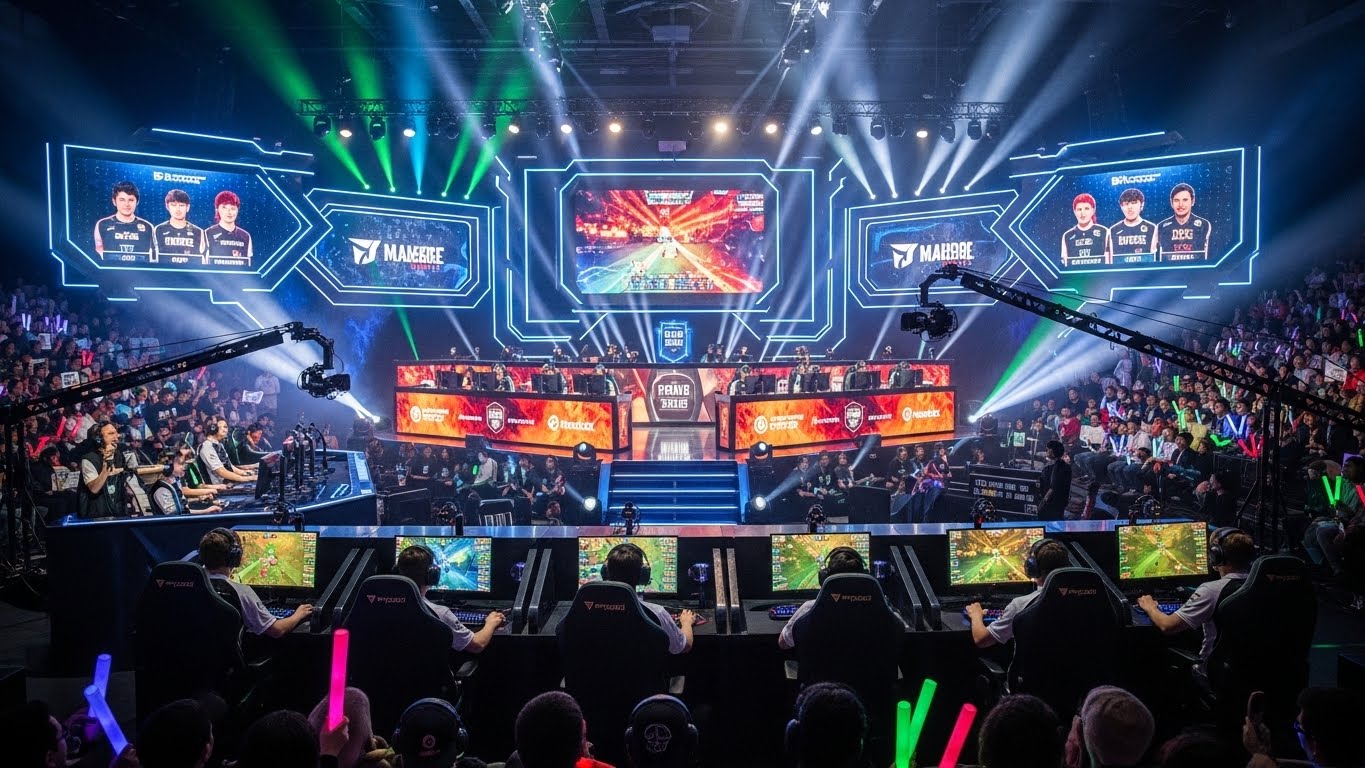
Esports, once dismissed as a niche pastime for gamers, has transformed into a global industry worth billions. What began in small rooms with local competitions has now reached massive arenas, sold-out stadiums, and millions of online viewers worldwide. Today, professional gamers are celebrities, teams are global brands, and tournaments rival traditional sports in scale and spectacle. Esports is no longer just about playing games; it is about culture, community, technology, and opportunity.
Understanding What Esports Really Is
Esports, short for electronic sports, refers to organized competitive video gaming. Unlike casual gaming, esports involves structured leagues, professional teams, official tournaments, coaching staff, analysts, and sponsorships. Players train for hours daily, developing reflexes, strategies, and teamwork similar to athletes in traditional sports. Popular esports titles span multiple genres, including first-person shooters, multiplayer online battle arenas, real-time strategy games, and sports simulations. Each game brings its own rules, fanbase, and competitive ecosystem.
The Evolution of Competitive Gaming
The roots of esports can be traced back to the late twentieth century, when early arcade competitions and computer gaming tournaments emerged. As internet connectivity improved, online multiplayer games allowed players from different regions to compete in real time. Streaming platforms and social media accelerated this growth, enabling fans to watch live matches, follow players, and engage with teams. Over time, what started as small-scale competitions evolved into professionally organized events with global audiences.
Esports as a Professional Career Path
One of the most significant shifts in recent years is the recognition of esports as a legitimate career. Professional players sign contracts, earn salaries, win prize money, and secure sponsorship deals. Beyond players, the industry supports a wide range of professions, including coaches, team managers, broadcasters, event organizers, graphic designers, content creators, and marketers. Universities in several countries now offer esports scholarships and degree programs, further validating esports as a serious professional field.
Training, Discipline, and Mental Strength
Contrary to stereotypes, esports professionals require immense discipline. Training schedules often include strategy sessions, mechanical skill practice, physical exercise, and mental conditioning. Reaction time, decision-making under pressure, and teamwork are critical to success. Mental health has become an increasingly important topic in esports, as players face stress, burnout, and public scrutiny. Teams are now investing in sports psychologists and wellness programs to support long-term performance.
The Role of Technology in Esports Growth
Technology is the backbone of esports. High-performance gaming hardware, low-latency internet, advanced game engines, and sophisticated broadcasting tools make modern esports possible. Innovations such as virtual reality, augmented reality, and artificial intelligence are beginning to influence how games are played and how audiences experience tournaments. Improved streaming quality and interactive features allow fans to feel closer to the action than ever before.
Esports and Global Community Building
Esports transcends geographical boundaries, bringing together players and fans from diverse cultures and backgrounds. Online platforms enable global participation, while international tournaments celebrate diversity and competition on a world stage. Fans form communities around teams, players, and games, sharing strategies, discussions, and creative content. This sense of belonging is a powerful aspect of esports, particularly for younger generations seeking connection in digital spaces.
The Business and Economics of Esports
The esports industry is supported by multiple revenue streams, including sponsorships, advertising, merchandise, media rights, and ticket sales. Major brands from technology, fashion, automotive, and food industries have invested heavily in esports, recognizing its ability to reach young, engaged audiences. Game publishers also play a central role, as they control the intellectual property and competitive structure of their titles. This unique relationship between publishers, teams, and organizers shapes the economics of esports.
Esports Compared to Traditional Sports
While esports and traditional sports differ in physical demands, they share many similarities. Both require skill, practice, teamwork, and strategic thinking. Both have professional leagues, passionate fans, and global events. Esports, however, has a lower barrier to entry, as players only need access to a game and internet connection to begin competing. This accessibility has contributed to its rapid growth and global reach.
Challenges Facing the Esports Industry
Despite its success, esports faces several challenges. Issues such as player burnout, lack of standardized regulations, cheating, and match-fixing have raised concerns. The rapid pace of change in games and technology can also make long-term stability difficult. Additionally, ensuring fair opportunities, diversity, and inclusion remains an ongoing effort. Addressing these challenges is essential for the sustainable growth of the industry.
Esports and Education
Esports is increasingly being integrated into educational environments. Schools and universities are establishing esports programs to teach teamwork, leadership, communication, and digital literacy. Competitive gaming can also serve as a gateway to careers in technology, media, and business. By combining gaming with education, institutions are finding new ways to engage students and prepare them for modern digital industries.
The Influence of Streaming and Content Creation
Streaming platforms have played a crucial role in popularizing esports. Fans can watch live matches, follow their favorite players, and interact through chat and social features. Content creators produce highlights, tutorials, analysis, and entertainment, expanding the reach of esports beyond competitive events. This constant flow of content keeps audiences engaged and helps build personal connections between players and fans.
Cultural Impact and Mainstream Acceptance
Esports has influenced fashion, music, language, and entertainment. Gaming-inspired clothing, collaborations with artists, and appearances in mainstream media demonstrate its cultural relevance. Major sporting organizations and celebrities have invested in esports teams, further bridging the gap between traditional and digital sports. As acceptance grows, esports continues to redefine what competition and entertainment look like in the modern world.
The Future of Esports
The future of esports looks promising, with continued expansion into new regions, games, and technologies. Mobile esports is gaining popularity, particularly in regions where mobile devices are more accessible than computers or consoles. Advances in immersive technologies may change how games are played and watched. As infrastructure improves and regulations mature, esports is likely to become even more stable and widely recognized.
Conclusion: More Than Just a Game
Esports is far more than people playing video games. It is a complex ecosystem that blends competition, technology, culture, and community. Its rise reflects broader changes in how people connect, compete, and consume entertainment in the digital age. As esports continues to evolve, it will not only shape the future of gaming but also influence sports, media, and global culture as a whole. What once lived on screens has now stepped onto the world stage, proving that digital competition can be just as powerful and meaningful as any traditional sport.