Introduction: More Than Just Playing Games
Esports, once considered a niche hobby for passionate gamers, has transformed into a global phenomenon that rivals traditional sports in viewership, revenue, and cultural impact. What started in small internet cafés and local tournaments has grown into sold-out arenas, multimillion-dollar prize pools, and professional athletes with worldwide fan followings. Today, esports is not just about competition; it is about community, technology, entertainment, and the future of digital culture.
The Origins of Esports
The roots of esports can be traced back to the early days of video gaming, when players competed for high scores on arcade machines. As home consoles and personal computers became more powerful, competitive gaming moved online. Early multiplayer games created opportunities for players to test their skills against others across the world. Informal competitions gradually evolved into organized tournaments, laying the foundation for what would become modern esports.
In the late 1990s and early 2000s, faster internet connections and the rise of online multiplayer games helped esports gain momentum. Dedicated communities formed around specific titles, and tournaments began offering cash prizes. These early events may have been small, but they proved that competitive gaming had serious potential.
The Evolution into a Professional Industry
As esports grew, it began to adopt structures similar to traditional sports. Professional teams were formed, coaches were hired, and players started training full-time. Game publishers recognized the marketing and community-building potential of competitive play and invested heavily in tournament infrastructure.
Streaming platforms played a crucial role in this evolution. Fans could now watch matches live, interact with players, and feel part of a global community. This accessibility helped esports reach audiences far beyond those who actually played the games. Sponsorships, advertising, and media rights followed, turning esports into a sustainable business ecosystem.
Popular Esports Genres and Games
Esports is not defined by a single game or genre. Instead, it includes a wide range of competitive experiences. Multiplayer online battle arena games emphasize teamwork, strategy, and precise execution. First-person shooters focus on reflexes, aim, and tactical decision-making. Real-time strategy games reward long-term planning and adaptability, while sports simulation games mirror real-world athletics in a digital format.
This diversity allows esports to appeal to different types of players and viewers. Some fans enjoy fast-paced action, while others prefer strategic depth or narrative rivalries between teams. The variety ensures that esports continues to attract new audiences year after year.
The Life of a Professional Esports Player
Becoming a professional esports player requires far more than casual gaming. Top players often train for many hours a day, refining their mechanics, studying opponents, and practicing team coordination. Mental resilience is just as important as physical skill, as players must perform under intense pressure in front of large audiences.
Many teams now emphasize physical fitness, nutrition, and mental health support. Long practice hours and constant travel can take a toll, so professional organizations are investing in player well-being. This shift reflects the growing recognition of esports athletes as professionals who require holistic support to perform at their best.
Esports and Youth Culture
Esports has a particularly strong connection with younger generations. For many young people, competitive gaming is not just entertainment but a form of social interaction and self-expression. Online communities provide a sense of belonging, and aspiring players see professional gamers as role models.
This influence extends beyond gaming itself. Esports has shaped fashion trends, language, and digital creativity. Content creation, such as streaming and video editing, has become a viable career path inspired by esports culture. As a result, esports plays a significant role in defining modern youth identity.
Economic Impact and Career Opportunities
The esports industry has created a wide range of career opportunities beyond playing professionally. Event organizers, broadcasters, analysts, marketers, designers, and software developers all contribute to the ecosystem. Universities and training programs have begun offering courses related to esports management, production, and game design.
Local economies also benefit from large esports events, which attract tourism and international attention. Cities hosting major tournaments experience boosts in hospitality and media exposure. This economic impact demonstrates that esports is not just a digital trend but a real-world industry with tangible benefits.
Esports as a Spectator Experience
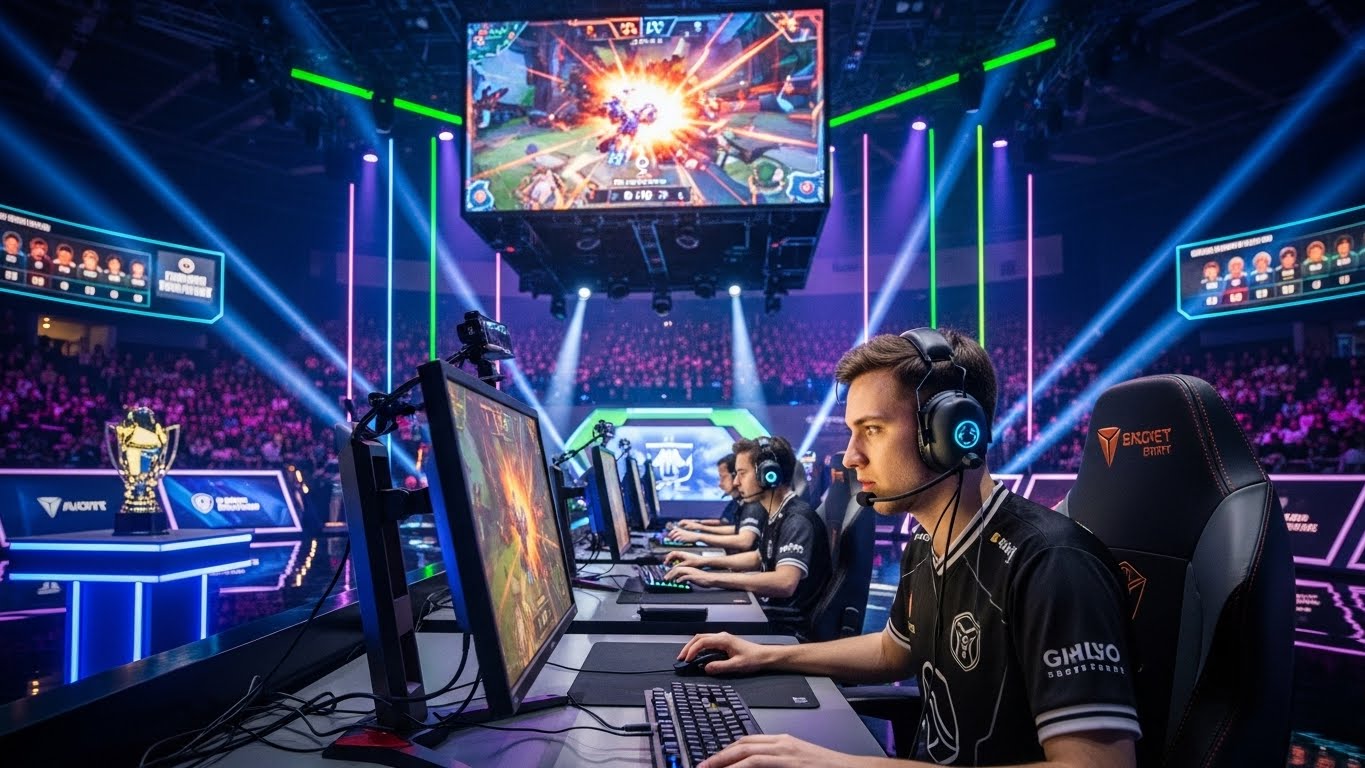
Watching esports is a unique experience that blends sports, entertainment, and technology. Advanced production techniques, including multiple camera angles, real-time statistics, and expert commentary, enhance viewer understanding and excitement. Storylines, rivalries, and player personalities add emotional depth, keeping fans invested over time.
Live events take this experience even further. The energy of a cheering crowd, dramatic comebacks, and unforgettable moments create memories similar to those found in traditional sports. For many fans, attending an esports event is a celebration of shared passion and community.
Challenges Facing the Esports Industry
Despite its success, esports faces several challenges. Player burnout, inconsistent regulations, and concerns about fair play are ongoing issues. The fast pace of technological change means that popular games can rise and fall quickly, making long-term stability difficult.
There are also debates about inclusivity and diversity within esports. While progress has been made, there is still work to be done to ensure that people of all backgrounds feel welcome and represented. Addressing these challenges will be crucial for the continued growth and credibility of the industry.
The Role of Technology in Shaping the Future
Technology has always been at the heart of esports, and it will continue to shape its future. Improvements in virtual reality, augmented reality, and artificial intelligence could redefine how games are played and watched. Enhanced data analytics may offer deeper insights into player performance and strategy.
As internet infrastructure improves globally, esports will become more accessible to regions that were previously underserved. This expansion will bring new talent, new audiences, and new cultural perspectives into the esports ecosystem.
Esports and Traditional Sports: Competition or Collaboration
Rather than replacing traditional sports, esports is increasingly collaborating with them. Many traditional sports organizations have invested in esports teams or leagues, recognizing the opportunity to reach younger audiences. Athletes from conventional sports have also shown interest in gaming, blurring the lines between physical and digital competition.
This relationship suggests a future where sports and esports coexist, each learning from the other. The professionalism, storytelling, and fan engagement strategies of traditional sports can strengthen esports, while esports innovation can inspire new approaches in conventional athletics.
Conclusion: A New Era of Competition and Culture
Esports has evolved from simple games into a powerful global movement that influences entertainment, technology, and culture. Its growth reflects broader changes in how people connect, compete, and express themselves in a digital world. With its expanding audience, professional infrastructure, and cultural relevance, esports is no longer an emerging trend but an established force.
As the industry continues to mature, it will face challenges that test its resilience and creativity. However, its ability to adapt and innovate suggests a promising future. Esports represents more than competition on a screen; it is a symbol of how digital experiences can bring people together, create opportunities, and redefine what it means to be an athlete in the modern age.