Introduction: The Rise of a New Arena
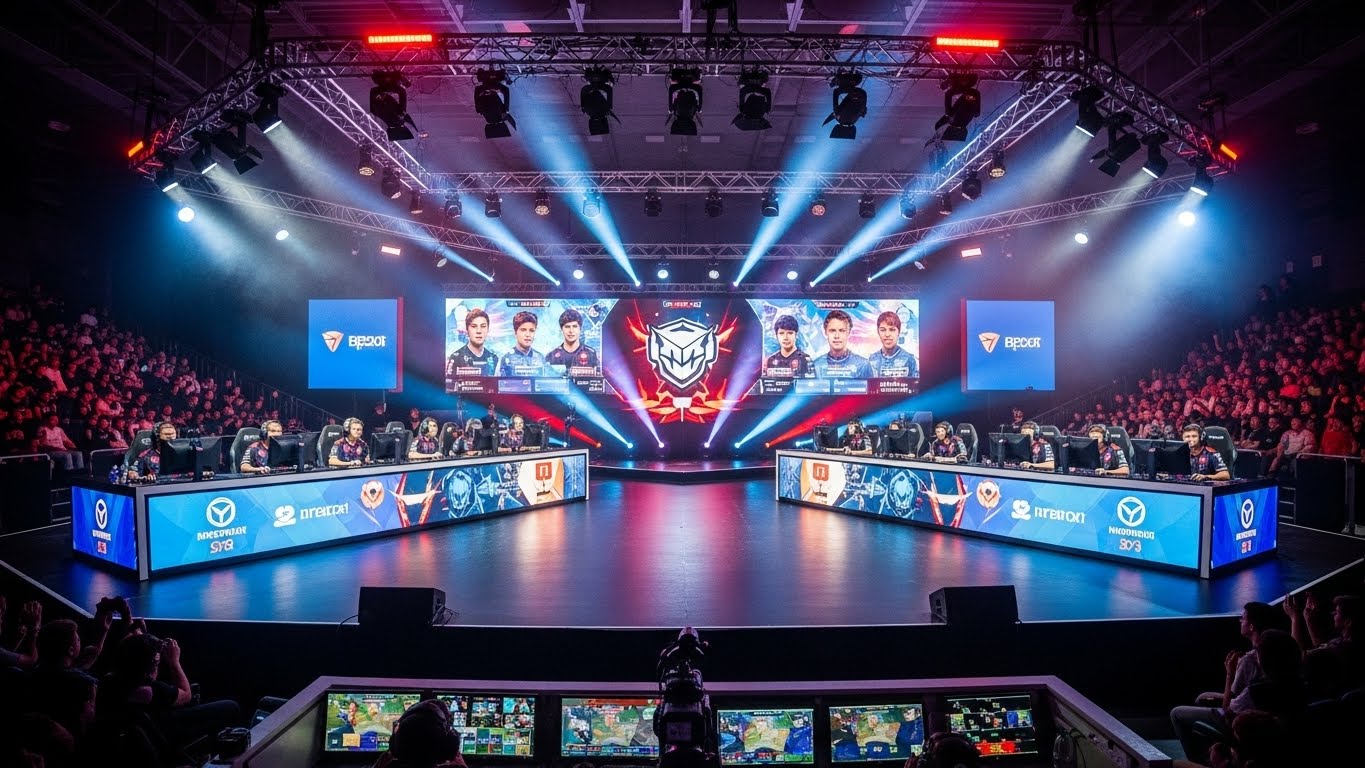
Once dismissed as a casual pastime, competitive gaming has evolved into a global phenomenon known as esports. What began in small internet cafés and living rooms has transformed into sold-out stadium events watched by millions worldwide. Esports is no longer just about playing games; it represents a fusion of technology, entertainment, culture, and professional sport. This digital revolution has redefined how competition is perceived, consumed, and celebrated in the modern era.
Understanding What Esports Truly Is
Esports, short for electronic sports, refers to organized competitive video gaming at a professional level. Players or teams compete in structured tournaments across a wide range of games, including strategy, shooters, sports simulations, and multiplayer online battle arenas. Unlike casual gaming, esports demands high skill, discipline, teamwork, and mental resilience. Matches are governed by rules, overseen by referees, and supported by leagues and governing bodies, mirroring the structure of traditional sports.
The Evolution from Hobby to Profession
The journey of esports from a niche hobby to a legitimate career path is remarkable. Early competitions offered little more than bragging rights, but advancements in internet connectivity and streaming platforms allowed audiences to grow exponentially. As viewership increased, sponsorships followed, and prize pools expanded dramatically. Today, professional players sign contracts, earn salaries, train daily, and retire just like athletes in conventional sports. Esports organizations now operate as businesses with coaching staff, analysts, and management teams.
The Games That Shaped the Industry
Certain titles have played a pivotal role in shaping the esports ecosystem. Multiplayer games with competitive balance, spectator appeal, and regular updates tend to thrive. These games encourage strategic depth, fast reflexes, and teamwork, making them exciting to watch and play. Developers now design games with esports potential in mind, incorporating features that support competitive integrity and audience engagement. This synergy between developers and the esports community has accelerated the industry’s growth.
The Role of Technology and Streaming
Technology is the backbone of esports. High-performance gaming hardware, low-latency internet, and advanced broadcasting tools enable seamless competition and viewing experiences. Streaming platforms have democratized access, allowing fans from around the world to watch live matches, interact with players, and become part of vibrant online communities. This accessibility has helped esports reach demographics that traditional sports sometimes struggle to engage, particularly younger audiences.
Esports as a Cultural Movement
Beyond competition, esports has become a cultural force. It influences fashion, music, language, and social interaction. Gaming events often feature elaborate stage designs, live performances, and fan meet-ups, creating a festival-like atmosphere. Esports personalities, including players and commentators, have become influencers with massive followings. For many fans, esports provides a sense of belonging and identity, uniting people across borders through shared passion.
Economic Impact and Career Opportunities
The esports industry generates revenue through sponsorships, advertising, merchandise, ticket sales, and media rights. This economic growth has created diverse career opportunities beyond playing. Roles such as coaches, analysts, event organizers, broadcasters, content creators, and marketers are now integral to the ecosystem. Educational institutions have begun offering esports programs and scholarships, recognizing its potential as a sustainable career field.
Training, Discipline, and Mental Fortitude
Contrary to stereotypes, professional esports players maintain rigorous training schedules. Hours are dedicated to practicing mechanics, studying opponents, refining strategies, and improving communication. Physical health, mental well-being, and reaction time are crucial factors. Many teams employ sports psychologists and fitness trainers to ensure players perform at their best. The mental pressure of competing on a global stage requires resilience, focus, and adaptability.
Challenges Facing the Esports Industry
Despite its success, esports faces several challenges. Issues such as player burnout, inconsistent regulations, and short career spans require attention. The rapid pace of game updates can disrupt competitive balance, and the lack of universal governance creates disparities across regions. Additionally, ensuring inclusivity and combating toxicity within gaming communities remain ongoing concerns. Addressing these challenges is essential for the long-term stability of the industry.
Esports and the Future of Sports Entertainment
Esports is reshaping how audiences consume sports entertainment. Interactive features, real-time statistics, and community engagement set new standards for fan experiences. Traditional sports organizations are increasingly investing in esports, recognizing its appeal and growth potential. Hybrid events that blend physical and digital competition may become more common, further blurring the lines between traditional sports and esports.
Global Reach and Regional Diversity
One of esports’ greatest strengths is its global reach. Players and teams from different continents compete on equal footing, showcasing diverse playstyles and cultures. Regional leagues nurture local talent while international tournaments foster global rivalries. This diversity enriches the competitive landscape and highlights esports as a truly international sport.
The Social Impact of Esports
Esports has also demonstrated positive social impact. It provides opportunities for individuals who may not excel in traditional sports to shine in a competitive environment. Online communities offer social connection, teamwork, and communication skills. Charity tournaments and community initiatives use esports as a platform to raise awareness and support various causes, proving that gaming can be a force for good.
Conclusion: A New Definition of Competition
Esports has redefined what it means to compete in the digital age. It combines skill, strategy, technology, and community into a dynamic form of entertainment that continues to evolve. As acceptance grows and infrastructure strengthens, esports is poised to stand alongside traditional sports as a major pillar of global competition. From pixels on a screen to roaring crowds in arenas, esports has proven that the future of competition is not just physical, but digital, connected, and limitless.