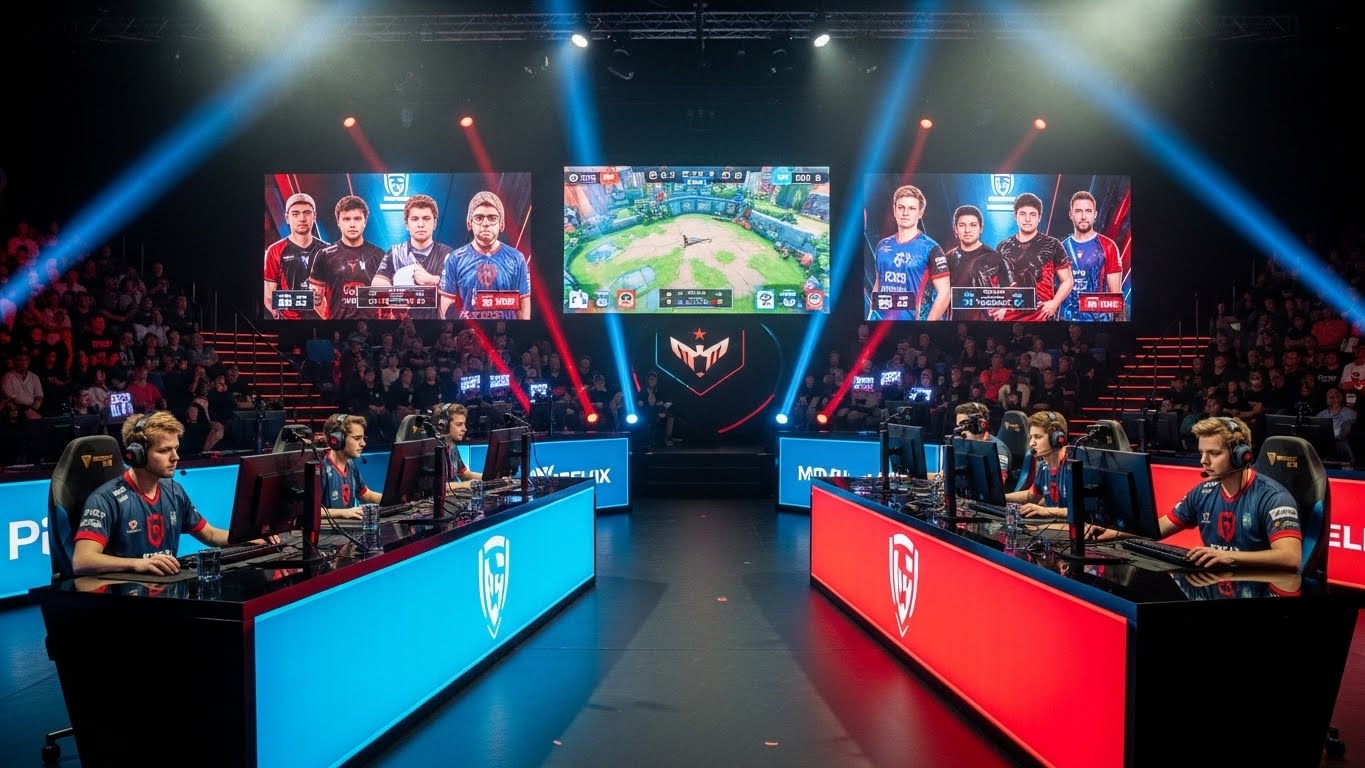
Esports has emerged as one of the most powerful and influential forms of entertainment in the 21st century. What began as informal competitions among gaming enthusiasts has grown into a global industry with professional teams, international tournaments, massive audiences, and cultural significance. Esports is no longer just about playing games; it represents innovation, competition, community, and a new definition of sportsmanship in the digital era. This blog explores the growth of esports, its ecosystem, cultural impact, challenges, and future potential.
Understanding Esports and Competitive Gaming
Esports, short for electronic sports, refers to organized competitive gaming where individuals or teams compete in video games at a professional or semi-professional level. These competitions are often structured into leagues and tournaments, featuring popular game genres such as multiplayer online battle arenas, first-person shooters, real-time strategy games, and sports simulations.
Unlike casual gaming, esports demands high levels of skill, strategy, coordination, and discipline. Players train extensively, analyze opponents, and work with coaches to refine their gameplay. Matches are watched live by audiences both online and in physical venues, creating an atmosphere similar to traditional sporting events.
The Early Growth of Esports Culture
The roots of esports can be traced back to early gaming competitions held in arcades and small community events. As gaming technology advanced and internet access expanded, competitive gaming found a global platform. Online multiplayer games allowed players from different regions to compete, while early tournaments began to formalize rules and structures.
The development of dedicated esports titles and spectator-friendly game designs played a crucial role in the industry’s expansion. Developers began creating games with competitive balance, ranking systems, and tournament support in mind. This shift transformed gaming from a solo or casual activity into a structured competitive pursuit.
Professional Players and Team Dynamics
Modern esports revolves around professional players and organized teams. Esports athletes specialize in specific games and roles, mastering mechanics, strategies, and in-game decision-making. Training schedules often resemble those of traditional athletes, with daily practice sessions, strategy reviews, and physical and mental conditioning.
Team-based esports emphasize communication, trust, and coordination. Success depends not only on individual skill but also on teamwork and adaptability. Coaches and analysts play an essential role by studying gameplay data, identifying weaknesses, and developing strategies to counter opponents. This professional environment highlights that esports is as much a mental competition as it is a technical one.
The Esports Industry and Economic Impact
The esports industry has grown into a multi-billion-dollar ecosystem. Revenue streams include sponsorships, advertising, merchandise, ticket sales, media rights, and in-game purchases. Major tournaments offer prize pools that can reach millions, attracting global attention and top-tier talent.
Brands from both gaming and non-gaming sectors invest heavily in esports, recognizing its ability to reach younger, digitally engaged audiences. Event production, broadcasting, and content creation have also created new job opportunities, contributing to the broader digital economy.
Cities and regions that host major esports events benefit from increased tourism, hospitality, and international exposure. As a result, esports has become not only an entertainment industry but also an economic driver.
Streaming and Audience Engagement
One of the defining features of esports is its strong connection with digital audiences. Live streaming has transformed how fans consume competitive gaming, allowing them to watch matches in real time, interact with commentators, and engage with communities.
Streaming platforms have turned players into entertainers and influencers. Many professional gamers build personal brands by streaming practice sessions, participating in discussions, and sharing insights into their lives. This direct interaction strengthens fan loyalty and creates a sense of inclusion that traditional sports often lack.
Audience engagement extends beyond matches, with analysis shows, behind-the-scenes content, and fan-driven discussions shaping the esports narrative. This constant interaction keeps esports vibrant and community-focused.
Cultural Influence and Social Impact
Esports has significantly influenced global culture, particularly among younger generations. It has changed perceptions of gaming, shifting it from a solitary hobby to a respected competitive discipline. Esports promotes skills such as problem-solving, teamwork, adaptability, and strategic thinking.
The global nature of esports encourages cross-cultural interaction. Players and fans from different countries connect through shared interests, breaking down geographic and cultural barriers. International tournaments celebrate diversity and showcase talent from all parts of the world.
Esports has also expanded inclusivity in competition. While challenges remain, the digital nature of gaming allows people of different physical abilities to compete on equal ground. Community initiatives and grassroots tournaments continue to push for broader representation and accessibility.
Technology as the Backbone of Esports
Technology is at the heart of esports. High-performance gaming systems, advanced peripherals, and stable internet infrastructure are essential for competitive play. Game developers continuously update titles to maintain balance, fairness, and excitement.
Data analytics and artificial intelligence are increasingly used to analyze player performance and optimize strategies. Broadcast technology enhances viewer experiences with dynamic camera angles, real-time statistics, and immersive visuals.
Emerging technologies such as virtual reality and augmented reality hold the potential to further transform esports, offering new ways to compete and spectate. As technology evolves, esports will continue to adapt and innovate.
Challenges Facing the Esports World
Despite its success, esports faces several challenges. Player burnout is a growing concern due to long training hours, high expectations, and intense competition. Mental health support and sustainable career planning are becoming critical priorities for teams and organizations.
Another challenge is maintaining fair play. Issues such as cheating, match-fixing, and performance-enhancing software threaten competitive integrity. Strong regulations, monitoring systems, and ethical standards are necessary to protect the legitimacy of esports.
Additionally, the industry must address inclusivity, online toxicity, and unequal access to resources. Creating safer, more welcoming environments will be essential for long-term growth.
Education and Esports Development
Esports is increasingly intersecting with education. Schools and universities are establishing esports programs, offering scholarships, and incorporating gaming into academic studies. These initiatives recognize esports as a pathway to careers in technology, media, management, and design.
Educational esports programs help students develop leadership, communication, and technical skills. They also challenge traditional views of learning by integrating digital culture into formal education. This growing connection between esports and academia highlights its broader societal value.
The Future of Esports
The future of esports appears promising and dynamic. As technology advances and global connectivity improves, esports will likely reach even larger audiences. Mobile esports, regional leagues, and hybrid events combining physical and digital experiences are expected to grow.
Partnerships between esports organizations and traditional sports institutions may further legitimize competitive gaming. Innovations in game design and audience engagement will continue to redefine what esports can be.
Sustainability, player welfare, and ethical governance will play a crucial role in shaping the industry’s future. If these challenges are addressed thoughtfully, esports has the potential to become one of the most influential cultural forces of the modern era.
Conclusion: Esports as the Sport of a Digital Generation
Esports represents a powerful shift in how competition, entertainment, and community are experienced. It blends technology, creativity, and human skill into a global phenomenon that transcends traditional boundaries. From professional players and passionate fans to developers and educators, esports connects people through shared passion and digital innovation.
As esports continues to evolve, it will redefine the meaning of sportsmanship and competition in a connected world. Its growth reflects not only technological progress but also a cultural transformation that values digital spaces as legitimate arenas for excellence. Esports is no longer the future of competition; it is the present, shaping how a digital generation competes, connects, and celebrates achievement.