Introduction: Esports as a Global Movement
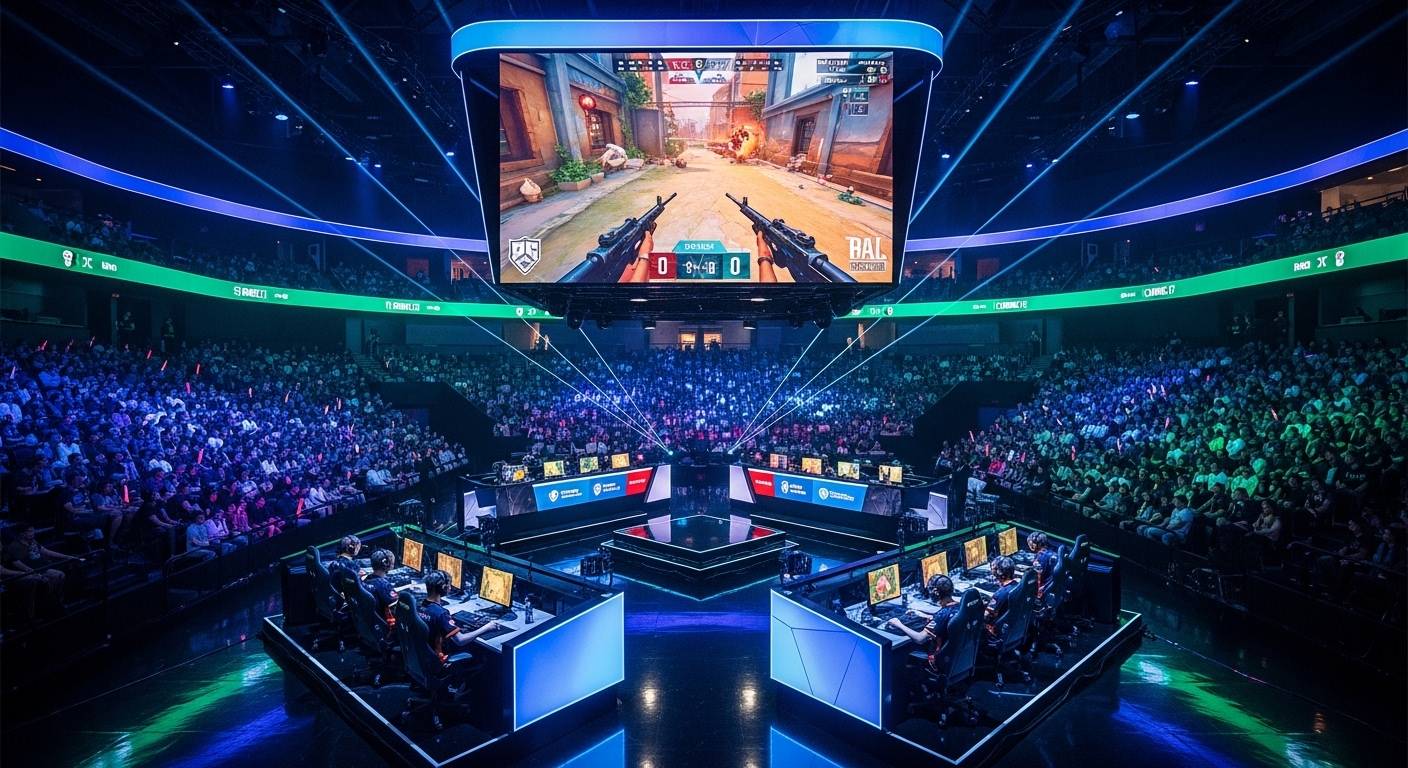
Esports has rapidly evolved from a niche hobby into a worldwide phenomenon. What was once casual gaming among friends is now a professional and highly competitive industry. Millions of fans follow their favorite teams and players, turning digital arenas into stages that rival traditional sports. Esports is not just about playing games; it’s about skill, strategy, and global community.
The Growth of Professional Esports
Professional esports players dedicate hours of practice to master gameplay mechanics, strategies, and teamwork. Competitive leagues and tournaments offer substantial prize pools, sponsorships, and international recognition. As the industry grows, esports has become a legitimate career path, attracting young talent who aim to compete at the highest level.
Popular Esports Titles
Different games dominate different esports arenas, each with unique challenges. Multiplayer online battle arena games like League of Legends and Dota 2 focus on strategic teamwork. First-person shooters such as Counter-Strike and Valorant emphasize precision and reaction speed. Battle royale games like Fortnite challenge players to survive and adapt in constantly changing environments. These games captivate millions of players and fans worldwide.
Technology Driving Esports
Technology is the backbone of esports. High-performance gaming PCs, low-latency internet, and specialized peripherals allow players to perform at their best. Streaming platforms provide real-time broadcasts for fans, creating interactive and engaging experiences. Advanced analytics and artificial intelligence help teams analyze gameplay, refine strategies, and maintain competitive advantages.
The Social Impact of Esports
Esports has grown into a cultural and social phenomenon. Online communities allow fans and players to connect, discuss strategies, and celebrate shared passions. Esports events bring people together, both virtually and in physical arenas, fostering a sense of community. It also influences popular culture, including fashion, music, and entertainment, making esports a major force in youth culture.
Benefits of Esports
Esports offers more than entertainment. Players develop critical thinking, problem-solving, and teamwork skills. They learn to perform under pressure and adapt to rapidly changing situations. Additionally, esports promotes inclusivity, providing opportunities for people from diverse backgrounds to participate and collaborate in a shared digital space.
Challenges Facing the Industry
Despite its success, esports faces challenges. Professional players may experience burnout due to long hours and high-pressure environments. Issues like cheating, fair play, and ethical sponsorship practices are ongoing concerns. Maintaining physical and mental well-being while competing at a professional level is essential for the industry’s sustainable growth.
The Future of Esports
The future of esports is full of potential. Innovations like virtual reality, augmented reality, and cloud gaming will create more immersive experiences. Esports will continue to integrate with traditional sports, entertainment, and education, expanding opportunities for players and fans alike. The industry is set to grow even further, solidifying its position as a mainstream global phenomenon.
Conclusion
Esports is redefining competition and entertainment. Combining skill, strategy, technology, and social interaction, it has become a legitimate and influential industry. As esports continues to grow, it offers exciting possibilities for players, fans, and innovators, proving that gaming is no longer just play—it is a platform for achievement, community, and global connection.