Introduction: From Hobby to Global Stage
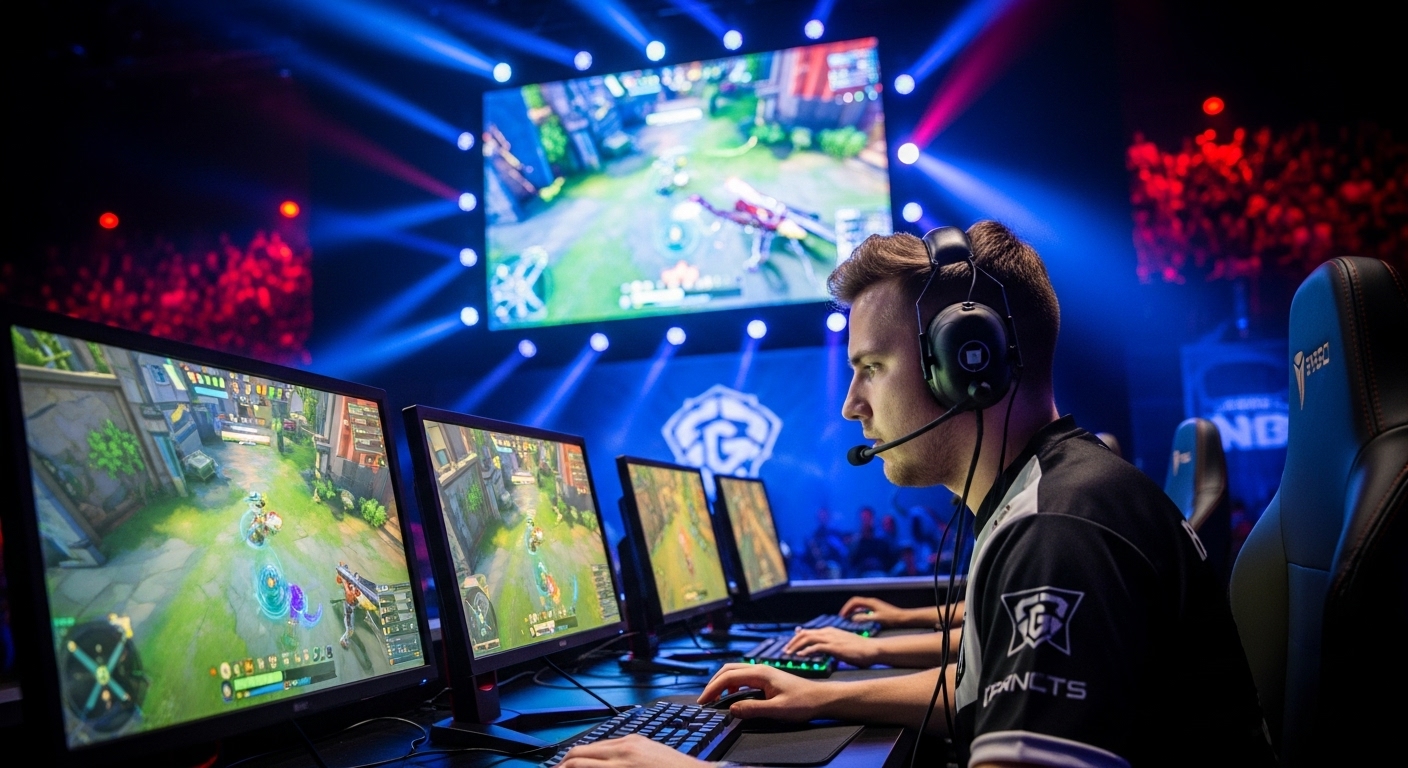
Esports has transformed the way people perceive video games. What was once a simple pastime for fun and relaxation has evolved into a professional, competitive, and highly engaging industry. Millions of players and fans worldwide now participate in and follow esports events, making it a cultural phenomenon that bridges entertainment, technology, and sportsmanship.
The Origins of Esports
Competitive gaming began in the late 20th century with arcade tournaments and local competitions. Early titles like Street Fighter, StarCraft, and Counter-Strike set the stage for organized gaming contests. As technology advanced, online multiplayer games created opportunities for large-scale competitions, giving birth to structured leagues and international tournaments.
The Power of Community
At the heart of esports is its passionate and connected community. Fans don’t just watch games—they engage with content, interact with players, and share experiences across social platforms. Streaming services allow players to showcase their skills in real-time, creating a sense of connection between players and audiences. The community has helped shape the industry into the thriving ecosystem it is today.
Professional Gaming as a Career
Becoming a professional esports player requires skill, strategy, and dedication. Players often train for hours daily, studying gameplay mechanics and team strategies. Beyond players, careers in coaching, commentary, event management, and analysis are growing rapidly. With sponsorships and tournament earnings, esports has become a viable career path, attracting talent from around the world.
Global Reach and Influence
Esports is a worldwide phenomenon, with major hubs in countries like South Korea, China, and the United States. International tournaments draw massive audiences, often rivaling traditional sports events in viewership. Universities and schools have started offering esports programs and scholarships, further cementing its legitimacy and influence in mainstream culture.
Challenges Facing the Industry
Despite its success, esports faces challenges. Player burnout, mental health concerns, and online toxicity remain pressing issues. Regulatory frameworks and fair contractual practices are still developing, leading to disputes in some areas. Addressing these challenges is crucial to ensure a sustainable and healthy growth trajectory for the industry.
The Future of Esports
The future of esports is bright and full of innovation. Advancements in virtual reality, cloud gaming, and artificial intelligence will continue to enhance the gaming experience. As more audiences recognize esports as a legitimate form of entertainment and competition, it will continue to grow as a mainstream cultural and professional industry.
Conclusion: More Than Just a Game
Esports is not just about video games; it is about passion, strategy, community, and opportunity. From small tournaments to global championships, it has redefined competition in the digital age. As technology and culture evolve, esports will continue to expand, inspire, and transform the way the world experiences gaming.