Introduction: The Emergence of Esports
Esports, short for electronic sports, has evolved from a niche hobby into a worldwide phenomenon that rivals traditional sports in audience size, economic impact, and cultural significance. Competitive gaming is no longer limited to casual players; it has become a structured, professional industry with dedicated players, teams, leagues, and massive tournaments. Millions of fans now follow their favorite players and teams, not only online but also in live arenas.
This blog explores the history of esports, its rise as a professional industry, its cultural impact, and the potential future of competitive gaming in a digitally connected world.
The Origins of Esports
The roots of esports can be traced back to the 1970s and 1980s with arcade gaming competitions. Early games like Pong and Space Invaders offered the first taste of organized competition. Tournaments were small-scale, often limited to local arcades or university campuses, but they laid the foundation for competitive gaming.
By the 1990s, the rise of personal computers and online networks transformed esports. Games such as StarCraft, Quake, and Counter-Strike allowed players to compete across cities and countries, creating the first global gaming communities. These early competitions introduced structured leagues and cash prizes, motivating players to train rigorously and pursue gaming as a career.
The internet became the catalyst for esports’ growth, enabling real-time competitions, live broadcasts, and fan engagement on a scale never seen before.
Popular Esports Titles and Their Communities
The growth of esports is closely tied to the popularity of specific game titles. Multiplayer online battle arena games like League of Legends and Dota 2, first-person shooters such as Counter-Strike and Call of Duty, and battle royale games like Fortnite dominate the esports landscape.
Each game fosters a distinct competitive community. Players develop strategies, build teams, and engage in forums or streaming channels, creating cultures around each title. Massive prize pools, such as those offered by Dota 2’s The International, have elevated these competitions to a professional level.
These communities are not just players—they are fans, content creators, and participants in an ecosystem that thrives on collaboration, rivalry, and engagement.
The Role of Streaming and Broadcasting
Streaming platforms have played a crucial role in the rise of esports. Services such as Twitch and YouTube Gaming allow millions of fans to watch competitions live, interact with players, and participate in discussions. Streaming has turned esports into an interactive form of entertainment where viewers are not just spectators but participants.
Professional players and streamers have become celebrities, building personal brands and influencing gaming culture. They stream practice sessions, behind-the-scenes content, and live tournaments, creating a continuous connection with fans. This interactive model has amplified the reach of esports, making it accessible to audiences globally.
Professional Players and Careers in Esports
Esports has created a new type of athlete—the professional gamer. These players dedicate countless hours to practice, strategy development, and teamwork. Top esports teams employ coaches, analysts, and support staff to maximize performance, reflecting the structure of traditional sports organizations.
The lifestyle of a professional gamer is demanding. Intense practice schedules, high-stakes competitions, and frequent travel require physical endurance, mental focus, and emotional resilience. The rewards, however, are significant, including sponsorship deals, tournament winnings, and global recognition.
Beyond players, esports has created careers in management, commentary, broadcasting, event organization, and game development. The industry is vast, offering multiple pathways for individuals to turn passion into a profession.
Major Tournaments and Global Reach
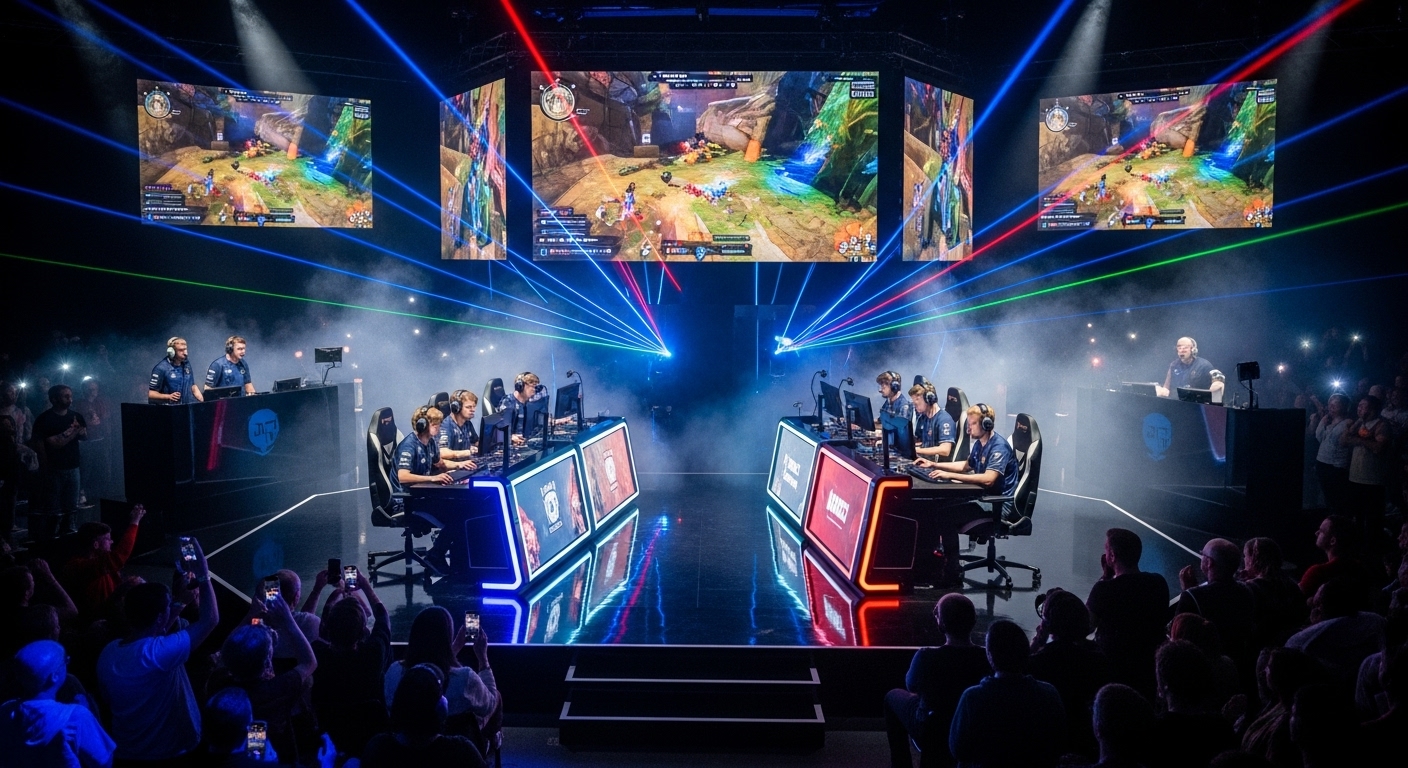
Esports tournaments have grown in scale, prestige, and global appeal. Competitions like the League of Legends World Championship, Dota 2’s The International, and EVO attract millions of viewers and fill large arenas. Some tournaments even rival traditional sports events in production value and media coverage.
These events are cultural celebrations, bringing together fans, cosplayers, technology brands, and entertainers. International tournaments create shared experiences across countries and continents, uniting players and spectators in their love of gaming. The global nature of esports has broken barriers of language, geography, and culture.
Esports and Cultural Impact
Esports has transformed how society views gaming. No longer seen as a trivial hobby, competitive gaming has become a respected profession and a mainstream form of entertainment. Professional gamers serve as role models, inspiring dedication, strategic thinking, and teamwork.
The culture of esports emphasizes skill, strategy, and collaboration. Unlike traditional sports, it is accessible to people of all ages, genders, and physical abilities, promoting inclusivity. Gaming communities are global, diverse, and highly engaged, allowing fans to connect, share, and grow together.
Esports also influences fashion, music, and popular culture, demonstrating its reach beyond just the gaming world.
The Business of Esports
Esports has emerged as a multi-billion-dollar industry with multiple revenue streams. Sponsorships, advertising, media rights, merchandise, and tournament prizes generate substantial income. Major corporations recognize esports as a way to reach younger, digitally-savvy audiences, leading to significant investments in teams, events, and streaming platforms.
Professional teams function like sports franchises, with managers, marketing teams, and investors. Media rights and live-streaming subscriptions provide additional revenue, making esports a lucrative ecosystem. As the industry matures, new business models continue to emerge, further solidifying its economic importance.
Challenges Facing Esports
Despite its rapid growth, esports faces several challenges. Mental health is a concern due to the pressures of competition, long practice hours, and the demands of maintaining peak performance. Organizations are increasingly focusing on wellness programs to support players.
Cheating and unfair practices threaten competitive integrity, requiring constant innovation in anti-cheat technology and regulation. Additionally, the legitimacy of esports as a “real sport” is still debated, although increasing professionalism and audience size are gradually changing perceptions.
Balancing growth with ethical practices, fairness, and player welfare remains critical for the long-term sustainability of esports.
Esports in Education
Educational institutions are recognizing the value of esports. Schools and universities now offer competitive leagues, scholarships, and academic programs related to gaming and esports management.
These programs provide structured pathways for students to develop skills such as strategic thinking, teamwork, and leadership. Collegiate and high school leagues serve as pipelines for professional careers while fostering a culture of discipline, focus, and innovation. Integrating esports into education validates gaming as a serious and respected pursuit.
Technological Advancements in Esports
Technology is central to esports, enabling high-quality gameplay, streaming, and fan engagement. Advancements in graphics, internet speeds, and hardware have made competitive gaming faster, smoother, and more immersive.
Virtual reality and augmented reality are beginning to shape the next generation of esports experiences, creating interactive and immersive competitions. Analytics and AI-driven strategies allow teams to optimize performance, scout talent, and develop innovative tactics. Technology ensures that esports continues to evolve, providing fans and players with increasingly engaging experiences.
The Future of Esports
The future of esports is both promising and transformative. Emerging technologies such as cloud gaming, virtual reality, and artificial intelligence will redefine competition and audience interaction. International expansion will bring new talent and fans into the ecosystem, making esports even more global.
Sustainability and accessibility will become increasingly important, with organizers seeking to minimize environmental impact and ensure inclusivity for players and audiences alike. Esports is poised to continue growing as both a professional industry and a cultural phenomenon, bridging entertainment, technology, and social connection.
Conclusion
Esports has come a long way from arcade competitions and casual gaming sessions. It has become a global industry, a cultural force, and a professional career path. With millions of fans, high-profile tournaments, and a thriving digital ecosystem, esports is redefining what competition means in the modern age.
As technology continues to advance, the boundaries of what is possible in esports will expand, creating new experiences for players and fans alike. The digital arena has proven that competitive gaming is more than a pastime—it is a revolution that blends skill, strategy, and entertainment on a global scale.