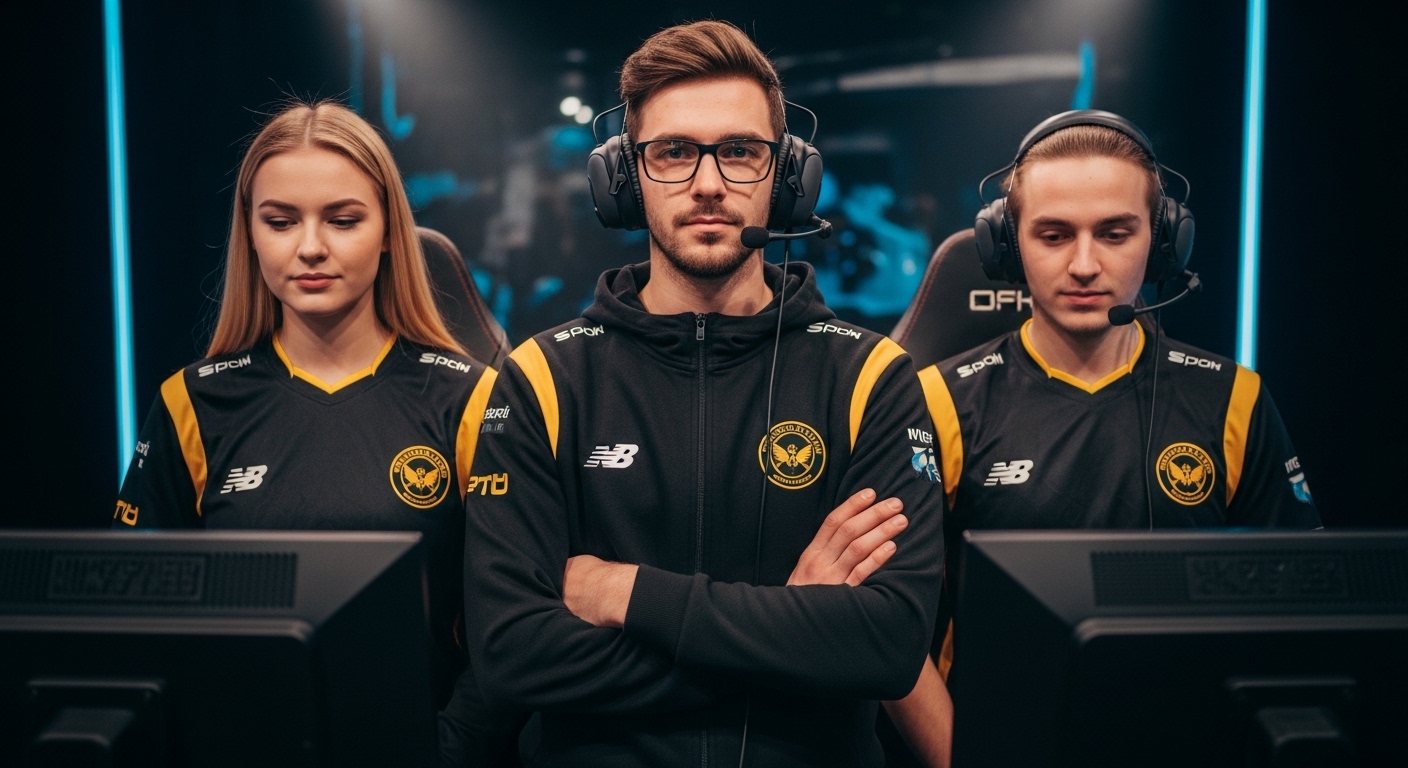
In the past few decades, esports has evolved from a niche hobby into a global entertainment powerhouse. Competitive video gaming, or esports, has become one of the fastest-growing industries in the world, attracting millions of viewers, sponsorships, and lucrative prize pools. What started as informal LAN (local area network) parties in the 90s has now transformed into a mainstream phenomenon, with professional players, teams, and tournaments commanding worldwide attention. In this blog post, we will explore the history, current state, economic impact, and future potential of esports. We will also dive into why this digital arena is rapidly reshaping the world of competitive sports.
The Early Days of Esports: A Humble Beginning
To understand the incredible growth of esports, it’s important to look back at its origins. The roots of competitive gaming can be traced back to the 1970s and 1980s, with early multiplayer games like “Spacewar!” and “Pong” laying the groundwork for the competitive gaming scene. However, the first true esports event came in 1980 with the “Space Invaders Championship,” a national tournament hosted by Atari. While this event attracted over 10,000 participants, it was still a small-scale competition by today’s standards.
In the years that followed, esports remained relatively niche, with a handful of tournaments and competitions held at gaming conventions and local arcades. It wasn’t until the late 1990s and early 2000s, when broadband internet began to spread globally, that competitive gaming truly took off. Games like “Quake” and “StarCraft” provided the foundation for online multiplayer gameplay, enabling gamers to compete across vast distances.
As gaming culture evolved, more formalized events began to emerge. The first major international tournaments such as the World Cyber Games (WCG) and the Electronic Sports World Cup (ESWC) attracted players from across the globe. By the mid-2000s, esports had gained momentum, with a growing number of tournaments, games, and players participating in this new digital arena.
The Explosion of Esports: Streaming, Sponsorships, and Global Reach
The next big leap in esports came with the rise of online streaming platforms, which enabled gamers to broadcast their skills to a global audience. The launch of Twitch in 2011 was a turning point for the esports industry. Twitch, a streaming platform dedicated to video games, allowed players to stream live gameplay to millions of viewers. The platform became a vital hub for competitive gamers and casual viewers alike, bringing esports into the homes of millions and creating a more engaged, interactive fanbase.
Streaming platforms like Twitch, YouTube Gaming, and Facebook Gaming have revolutionized how people consume esports content. Watching a competitive match on these platforms has become as common as tuning into a traditional sports game. These platforms also gave rise to the phenomenon of individual content creators and streamers, some of whom became celebrities in their own right, with large followings and sponsorship deals.
In parallel, esports tournaments began to attract serious corporate interest. Major companies like Intel, Coca-Cola, Red Bull, and Mercedes-Benz saw the massive potential of esports and began investing heavily in sponsorships. These sponsorship deals not only provided financial backing for tournaments but also helped to legitimize esports as a legitimate form of competition, comparable to traditional sports. By offering branded content, commercials, and product placements, these companies tapped into the lucrative gaming demographic, which often skews young and tech-savvy.
The Economic Power of Esports: Sponsorships, Prize Pools, and Revenue Streams
Today, esports is a multi-billion-dollar industry, and its economic impact continues to grow year after year. According to recent reports, the global esports market is expected to reach over $3 billion in revenue by 2025. The bulk of this revenue comes from sponsorships, broadcasting rights, merchandise sales, and ticket sales for live events. Esports has transitioned from a subculture to a major global industry, with professional teams, organizations, and leagues operating at a scale comparable to that of traditional sports leagues.
One of the key drivers of esports’ economic growth is the sponsorship market. Companies, especially those in the tech, energy drink, and sportswear industries, have been eager to align themselves with esports. For example, Intel has been a long-time sponsor of major esports events, providing the technology that powers the tournaments. Red Bull has made significant investments in individual athletes and teams, even sponsoring entire esports leagues. These sponsorships provide not only financial backing but also brand exposure to an engaged, loyal audience of gamers.
Prize pools for major esports tournaments have also grown to staggering amounts. The International, an annual Dota 2 tournament, has the largest prize pool in esports history, often exceeding $30 million. This is made possible through a combination of crowd funding from the gaming community and corporate sponsorships. In addition to prize money, esports players and teams are also supported by salaries, streaming revenue, merchandise sales, and social media promotions. This has transformed competitive gaming from a hobby into a full-fledged career option for talented individuals.
Broadcasting rights have become another significant revenue stream. With the popularity of esports continuing to rise, traditional sports networks such as ESPN, as well as streaming platforms like YouTube and Facebook, have secured rights to broadcast major tournaments. This has expanded the audience for esports beyond its dedicated fanbase, attracting casual viewers who may not be as familiar with gaming culture. These broadcasting deals have been instrumental in pushing esports into the mainstream and helping to establish it as a legitimate form of entertainment.
The Life of an Esports Athlete: Beyond the Screen
Being a professional esports player is much more than just playing games. The life of an esports athlete is demanding and competitive, requiring players to practice for hours every day, study strategies, and participate in team scrims (practice matches). Most professional gamers start their careers at a young age, often in their teens, and their careers are typically shorter than those in traditional sports due to the intense mental and physical demands of gaming.
Esports players often work in teams, with coaches, analysts, and support staff helping them refine their skills and strategies. Like traditional athletes, esports professionals also have access to performance coaches, psychologists, and nutritionists who help them maintain peak performance and mental well-being. The mental demands of esports are enormous; players must remain focused, calm, and adaptable under high pressure, and the intense scrutiny from fans and media can sometimes be overwhelming.
In addition to their training schedules, many esports players also become content creators. They stream their gameplay, post on social media, and engage with their fanbase to build personal brands. Popular streamers and influencers in the esports space can generate substantial income through sponsorships, ad revenue, and fan donations. As a result, esports players often become household names, with millions of followers across social media platforms.
However, the career of a professional gamer is often short-lived. The competitive nature of esports means that players are constantly pushed to perform at their best, and the physical toll of long hours of gaming can lead to burnout. Many players transition to other roles within the industry, such as coaching, analysis, or content creation, once their competitive careers come to an end.
Esports Fans: A Growing Global Community
One of the key reasons for esports’ explosive growth has been the passionate and dedicated fanbase that supports it. Esports fans come from all walks of life and cultures, united by their love for gaming and competition. The fan experience is uniquely interactive, with fans often engaging directly with players and teams through social media, live streams, and fan events.
Esports fans are also incredibly loyal, following their favorite players and teams across multiple platforms. Whether it’s tuning into live streams on Twitch, watching matches on YouTube, or attending live events in person, fans are committed to supporting the teams and players they love. Esports events like the League of Legends World Championship and The International have attracted massive global audiences, with millions of viewers watching from home and hundreds of thousands attending live events.
The experience of attending an esports tournament is unlike anything else. The atmosphere is electric, with crowds of fans chanting for their teams and celebrating victories. The sense of camaraderie and community among fans has been a major driving force behind esports’ rapid growth. These events also provide fans with opportunities to meet their favorite players, participate in fan activities, and experience the excitement of a live competition.
The Future of Esports: Boundless Potential
The future of esports is full of exciting possibilities. As technology continues to advance, esports will evolve in new and innovative ways. Virtual reality (VR) and augmented reality (AR) are expected to play a key role in the future of esports, offering immersive experiences for both players and fans. Imagine watching a live match from the perspective of a player or experiencing a virtual environment that makes you feel as though you’re inside the game itself. These technological innovations could revolutionize how esports is played and consumed.
The rise of mobile gaming is also poised to reshape the esports landscape. Mobile esports tournaments have already become incredibly popular, especially in regions like Asia, where games like “PUBG Mobile” and “Arena of Valor” have gained massive followings. With the continued advancement of mobile devices, mobile esports is expected to expand globally, attracting new players and audiences to the esports scene.
Esports is also expected to integrate more closely with traditional sports. In recent years, many sports organizations and professional athletes have invested in esports, with basketball teams, football clubs, and even Formula 1 teams launching their own esports divisions. As the boundaries between traditional sports and esports continue to blur, the two worlds may merge in exciting new ways, leading to more crossovers between digital and physical sports.
Conclusion: The Growing Impact of Esports
Esports has come a long way from its humble beginnings, and its future is brighter than ever. The industry has evolved into a global force, with millions of fans, top-tier players, and massive corporate investments fueling its growth. Esports has successfully created a digital arena that rivals