Introduction: The Unstoppable Rise of Esports
Esports, once considered a niche activity for passionate gamers, has now become a global phenomenon with millions of fans, players, and professionals. From humble beginnings as local LAN parties to being broadcast on major streaming platforms, esports has transformed into a multi-billion-dollar industry, rivaling traditional sports in terms of viewership, sponsorships, and global influence. What was once a pastime for a small community has now become a major cultural force, redefining how we think about competition, entertainment, and career opportunities. This rise of esports is not just a trend but a testament to how digital entertainment has redefined modern sports in the 21st century.
The Early Days of Esports: From Arcades to the Internet
The origins of esports can be traced back to the early days of gaming itself. In the 1970s and 1980s, the advent of arcade games like Pong and Space Invaders created the first competitive gaming experiences. While these early games were simple, they sparked a sense of competition among players, laying the foundation for what would later become organized esports. However, it was in the 1990s that competitive gaming truly began to take shape.
With the rise of home computers, the potential for online multiplayer gaming was realized. Games like Doom, Quake, and Warcraft allowed players to connect over local area networks (LAN) and compete against one another. These LAN parties were some of the earliest forms of organized gaming competition. In parallel, online games such as StarCraft and Counter-Strike allowed players from around the world to compete remotely, setting the stage for the global esports movement. The introduction of real-time strategy games, first-person shooters, and multiplayer online battle arenas (MOBAs) provided the perfect platform for competitive gaming to grow into the organized and professional industry we know today.
The Rise of Esports Tournaments: Creating a Global Stage
As gaming competitions became more widespread, it became clear that there was a demand for large-scale tournaments. In 2000, the World Cyber Games (WCG) was launched as one of the first global esports tournaments. It quickly became one of the most prestigious events in competitive gaming, bringing together the best players from around the world. The success of the WCG helped to establish esports as a legitimate competitive activity, and many other tournaments followed suit.
However, it was the release of League of Legends (LoL) in 2009 that truly transformed the landscape of esports. LoL became the focal point of esports competitions, with the League of Legends World Championship becoming one of the most-watched esports events in history. Tournaments like these not only attracted millions of online viewers but also created dedicated esports fans who followed their favorite teams and players year-round. The rise of other games, such as Dota 2, Overwatch, and Fortnite, further solidified the global popularity of esports and led to the creation of structured leagues with professional teams, coaching, and sponsorship deals.
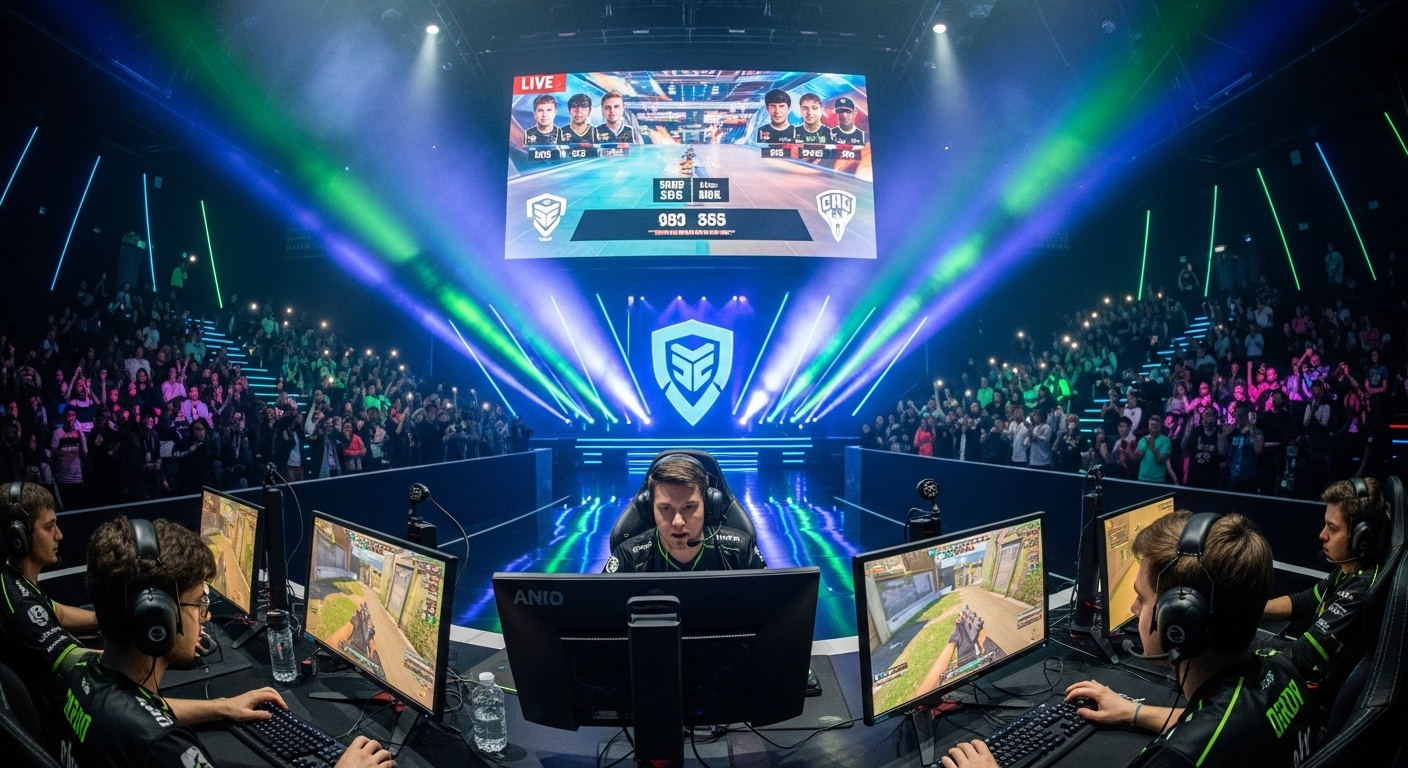
Today, esports tournaments such as The International (Dota 2), League of Legends World Championship, and The Fortnite World Cup feature prize pools worth millions of dollars. These events often sell out massive arenas, and they draw in millions of viewers both online and on television. What began as small-scale competitions has now become a major global spectacle with a reach that far exceeds the traditional sports model.
Esports: A Multi-Billion Dollar Industry
Esports has grown into a multi-billion-dollar industry, attracting investment from major corporations, entertainment companies, and even traditional sports organizations. In recent years, the industry has expanded rapidly, generating revenue through a variety of channels, including sponsorships, broadcasting rights, ticket sales, merchandise, and advertising.
Sponsorships play a major role in esports’ financial growth. Major global brands, such as Coca-Cola, Intel, Red Bull, and Nike, have partnered with esports organizations and tournaments, recognizing the immense potential of reaching young, tech-savvy consumers. In addition, major streaming platforms like Twitch and YouTube Gaming have become essential to the ecosystem, providing a platform for live streaming events, gameplay, and even player sponsorships. These platforms also allow content creators and influencers to generate revenue through subscriptions, donations, and advertising, further contributing to the economic success of esports.
The rise of esports has also led to the creation of dedicated esports arenas and facilities. Teams, much like traditional sports franchises, are now investing in custom-built training facilities, where players practice for hours each day. Esports teams have become businesses, with management, coaches, analysts, and marketing teams all playing vital roles in running a successful organization. These teams often have sponsorship deals with major corporations, who seek to promote their products to the esports audience.
The Global Appeal of Esports: Uniting Fans Worldwide
One of the most remarkable aspects of esports is its global appeal. Unlike traditional sports, where fans tend to support regional teams, esports has a much broader and more diverse audience. Players and fans from all corners of the world can come together to watch and participate in esports events, regardless of language or geographic location. This accessibility has made esports one of the most inclusive forms of competition, allowing people from different cultures and backgrounds to connect over a shared passion for gaming.
Streaming platforms like Twitch and YouTube Gaming have played a crucial role in fostering a global community of esports fans. These platforms allow fans to watch live competitions, follow their favorite players and teams, and interact with other fans through live chats and social media. Esports’ ability to break down language and cultural barriers has been key to its rapid growth and widespread popularity. Fans from North America, Europe, Asia, and South America regularly tune in to watch tournaments, creating a diverse and passionate fanbase that spans the globe.
Esports has also found success in both urban and rural areas, as players and fans from all regions have access to the internet. Unlike traditional sports, which often require access to physical facilities, esports can be played and enjoyed from almost anywhere. This accessibility is a major reason why esports has taken off in regions where traditional sports may not have as much of a foothold.
The Careers in Esports: More Than Just Playing Games
One of the most exciting aspects of esports is the wide array of career opportunities it offers. While many think of professional esports players when they imagine the industry, there are countless other roles that contribute to the success of esports organizations and tournaments. From coaching and management to broadcasting and event production, esports provides a wide range of career paths for individuals with diverse skill sets.
Professional players, especially those in high-demand games like League of Legends, Dota 2, and CS:GO, are highly sought after. They typically start their careers at a young age, dedicating years to honing their skills and climbing the competitive ladder. As with traditional athletes, esports players can earn substantial salaries, win lucrative tournament prizes, and sign endorsement deals. However, the career of an esports player is often shorter than that of a traditional athlete, with many players retiring by their mid-20s. This has led to the rise of coaching, analyst, and broadcasting roles, where former players can continue to contribute to the esports world.
In addition to the players, esports organizations require a range of support staff. Coaches, analysts, and strategists work closely with players to improve their performance. Event organizers and broadcasters are essential in creating and promoting esports tournaments, while marketing and social media managers handle sponsorships and fan engagement. Content creators, such as streamers and influencers, also play a major role in promoting games and esports events, creating an ecosystem that is as multifaceted as any traditional sport.
The Mental and Physical Challenges of Esports
Esports players face unique mental and physical challenges. While esports is often considered less physically demanding than traditional sports, the mental strain on players is immense. Professional esports players must maintain focus for hours on end, making split-second decisions and reacting to dynamic in-game situations. This requires not only exceptional reflexes but also high levels of strategic thinking, coordination, and teamwork.
The intense mental demands of esports can lead to stress, anxiety, and burnout, particularly when players are constantly under pressure to perform at their best. Many professional players face mental health challenges, and the esports community is increasingly focusing on providing support for players’ well-being. Teams are now hiring psychologists and mental health professionals to ensure players remain mentally and emotionally healthy.
On the physical side, prolonged hours of gaming can lead to repetitive strain injuries, such as carpal tunnel syndrome or tendonitis. As a result, many esports players incorporate physical training routines to maintain their health. Regular exercise, stretching, and ergonomic setups are becoming an essential part of the professional esports lifestyle, helping players to stay healthy and perform at their best.
The Future of Esports: Technology and Innovation
The future of esports is bright, with new technologies and innovations poised to shape the next generation of competitive gaming. Virtual reality (VR) and augmented reality (AR) are already starting to make their way into the esports space, offering new ways to experience gameplay and watch events. The potential of VR esports is immense, with fully immersive gaming environments offering a more lifelike and engaging experience for both players and spectators.
Mobile gaming is also on the rise, and the growth of mobile esports could lead to even greater global participation. Games like PUBG Mobile and Mobile Legends have already established competitive scenes, and as mobile technology continues to improve, we may see even larger-scale mobile esports tournaments in the future.
Furthermore, advances in AI (artificial intelligence) and machine learning could revolutionize player training, game analysis, and matchmaking. AI-driven tools could help players fine-tune their strategies, identify weaknesses, and improve their gameplay in ways that were previously unimaginable.