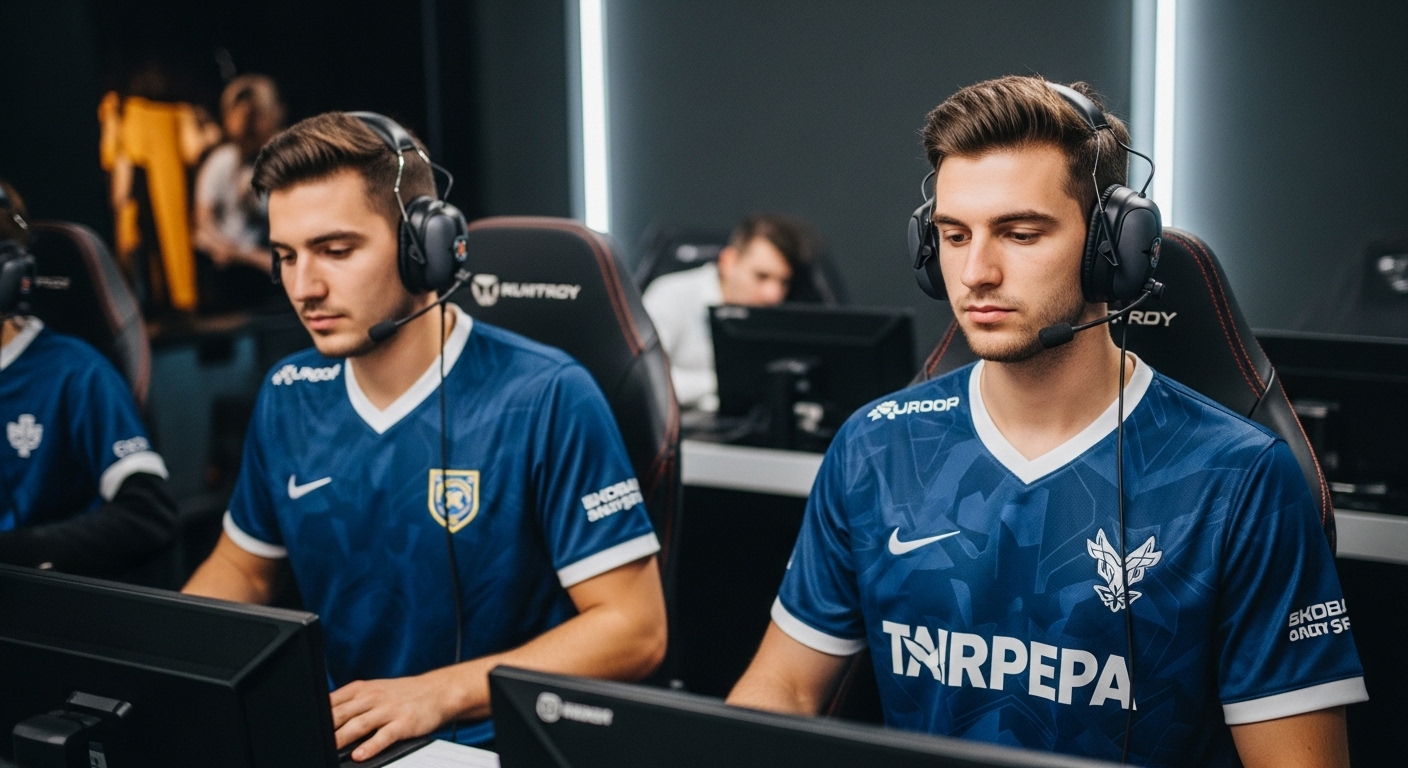
Introduction: The Emergence of Esports as a Global Phenomenon
In recent years, esports has skyrocketed from a niche subculture into a mainstream global industry, captivating millions of players, viewers, and sponsors. What once began as friendly competitions between gamers has evolved into a professional, highly organized ecosystem, rivaling traditional sports in terms of viewership, sponsorship, and cultural significance. The rise of esports signifies a digital revolution in competitive entertainment, where virtual arenas have become the new fields of battle, and players compete for fame, fortune, and glory.
Esports encompasses a wide range of video games, from strategy-based titles to fast-paced shooters, with players battling it out in front of live audiences or online streaming platforms. Tournaments and leagues have become major events, drawing attention from not only avid gamers but also casual viewers, media companies, and corporate sponsors. As a multi-billion-dollar industry, esports has made its mark on the world stage, becoming an influential part of modern entertainment.
This blog explores the rise of esports, how it has grown into a professional industry, its impact on global culture, and the future of this dynamic field of competition.
The Early Days of Esports: From Arcade Games to Online Competitions
The origins of esports can be traced back to the early days of video gaming in the 1970s and 1980s. In these early years, video games were mostly casual affairs, played in arcades or at home, with little formal competition. However, it didn’t take long for gamers to start competing against one another, often informally. The first signs of organized esports competitions appeared in the 1980s, with games like “Space Invaders” and “Pong” sparking local tournaments.
The true beginnings of esports as we know it came in the 1990s, with the advent of PC-based games like “Warcraft” and “StarCraft.” These titles, especially “StarCraft,” which became wildly popular in South Korea, laid the groundwork for competitive gaming. By the late 1990s and early 2000s, the rise of the internet and LAN (local area network) parties allowed gamers to compete online, taking the competitive aspect of gaming to a new level.
Tournaments such as the World Cyber Games (WCG), established in 2000, and the Electronic Sports World Cup (ESWC) became some of the earliest organized esports events, helping to formalize competitive gaming and introduce it to a broader audience. These tournaments marked the transition of gaming from a recreational activity to a professional pursuit. The emergence of dedicated esports teams and players also began during this period, laying the foundation for the industry’s future growth.
The Growth and Professionalization of Esports
The real explosion of esports came in the 2010s, thanks to a combination of technological advancements, the rise of live streaming platforms, and increased interest from sponsors and media companies. Games like “League of Legends,” “Dota 2,” “Counter-Strike: Global Offensive,” and “Overwatch” became some of the most popular titles in competitive gaming, attracting millions of players and viewers. These games featured complex mechanics, team-based strategies, and global multiplayer modes, which made them ideal for esports competition.
One of the key factors driving the professionalization of esports was the advent of platforms like Twitch, which allowed players and teams to broadcast their gameplay live, attracting millions of viewers. This move toward streaming created a direct link between professional players and their fanbases, allowing gamers to build personal brands and gain fame outside of traditional media channels. Esports tournaments began to be streamed live, reaching a global audience and creating a new form of entertainment that blended competition, commentary, and community.
As the viewership of esports grew, so did the money flowing into the industry. Sponsorship deals from major brands such as Red Bull, Intel, Coca-Cola, and Nike became commonplace, with corporations recognizing the vast potential of esports to reach young, tech-savvy audiences. Large-scale tournaments, such as the “League of Legends World Championship” and “The International” for “Dota 2,” began offering multi-million-dollar prize pools, attracting the best players and teams from around the world.
With this influx of investment and interest, esports started to become a legitimate career option. Professional esports players and teams began to form, often with full-time contracts, salaries, and sponsorship deals. The level of competition in esports grew significantly, and as a result, training regimens, team management, and tactical analysis became integral components of esports organizations.
The Structure of Esports: Games, Tournaments, and Leagues
Esports now spans multiple genres, with games from different categories such as first-person shooters (FPS), real-time strategy (RTS), multiplayer online battle arena (MOBA), and battle royale games. Each genre offers unique challenges and requires different skill sets from players, making esports a broad and diverse field.
First-Person Shooters (FPS): FPS games like “Counter-Strike: Global Offensive,” “Overwatch,” and “Call of Duty” require quick reflexes, tactical thinking, and precision aiming. Teams compete in rounds, with objectives ranging from bomb planting to team elimination. These games are intense and fast-paced, making them highly exciting for both players and viewers.
Real-Time Strategy (RTS): Games like “StarCraft II” and “Warcraft III” fall into the RTS genre, where players manage resources, build armies, and strategize in real-time. RTS games are deeply strategic and require high levels of multitasking, quick decision-making, and macro-management.
Multiplayer Online Battle Arena (MOBA): MOBAs like “League of Legends” and “Dota 2” have become the backbone of modern esports. These games feature two teams of players, each controlling unique heroes or champions with specific abilities. The goal is to destroy the opponent’s base while strategically outmaneuvering them. MOBAs are team-based and demand deep understanding of tactics, communication, and cooperation.
Battle Royale: “Fortnite” and “PUBG” are examples of the battle royale genre, where players compete in a last-man-standing style competition. These games are highly competitive and feature large player counts, requiring adaptability and quick decision-making. Battle royale games have gained massive popularity, especially among younger audiences.
Esports competitions take the form of both online tournaments and live events, with major tournaments often being held in large arenas or stadiums, drawing thousands of fans in person. These tournaments are typically structured in a series of brackets or group stages, leading to a final showdown where the best teams or players face off for the championship title and prize money.
Esports leagues, such as the Overwatch League and League of Legends Championship Series (LCS), have also become permanent fixtures of the esports calendar. These leagues feature professional teams from around the world who compete in regular seasons and playoffs. The league model has allowed esports to mimic the structure of traditional sports leagues, providing fans with year-round action and creating a sustainable career path for players.
Esports and its Cultural Impact
Esports has become a cultural force, influencing not only the entertainment industry but also broader trends in gaming, media, and technology. One of the most significant impacts of esports has been on the concept of digital fandom. Much like traditional sports, esports players and teams have built massive fanbases, often interacting directly with fans through social media platforms, streaming services, and live events.
The rise of esports has also led to the creation of esports-specific content on platforms like YouTube and Twitch, where streamers and professional players broadcast their games, interact with fans, and create content around gaming. The popularity of esports influencers has helped to blur the lines between competitive play and entertainment, with some streamers gaining celebrity status similar to Hollywood stars.
Moreover, esports has contributed to the rise of game-related merchandise, including team jerseys, hats, and branded equipment, creating an entire sub-economy of fan culture. Major esports events are now celebrated in the same way as traditional sports championships, with opening ceremonies, musical performances, and special fan events to heighten the experience.
Esports has also played a role in the fight for recognition as a legitimate sport. Many professional athletes and organizations have publicly supported esports, furthering its legitimacy as a competitive activity. The global nature of esports also promotes cultural exchange, with players from all over the world competing on equal footing, furthering the idea of esports as a universal language of competition.
The Future of Esports
The future of esports looks brighter than ever, with continued growth on the horizon. Technological advancements in virtual reality (VR), augmented reality (AR), and cloud gaming have the potential to further revolutionize esports by making gaming experiences more immersive and accessible to a wider audience.
Virtual Reality (VR) esports could bring entirely new experiences, allowing players to compete in fully immersive environments. VR technology could provide an unprecedented level of engagement for both players and viewers, taking esports to new heights.
Cloud gaming has already begun to transform the way games are played. With the advent of services like Google Stadia, NVIDIA GeForce Now, and Xbox Cloud Gaming, players can access high-quality games on any device with an internet connection. This eliminates the need for expensive gaming hardware and could democratize esports, making it more accessible to players around the world.
Esports in education is another area poised for growth. Some schools and universities are now offering esports scholarships and integrating gaming into their curricula. As esports becomes more mainstream, educational institutions will continue to recognize the value of competitive gaming as a career path, providing young players with opportunities to pursue their passion professionally.