Introduction
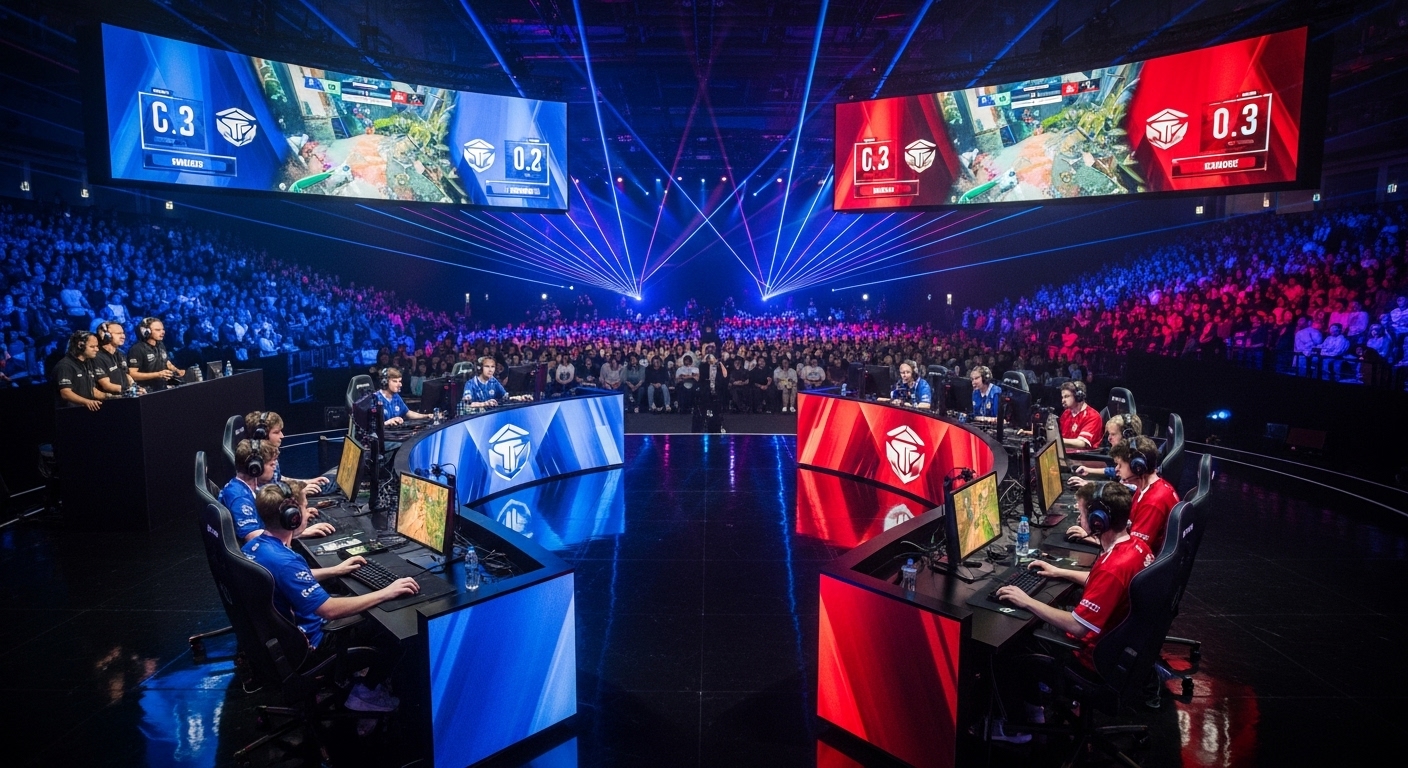
In today’s digital age, esports has transformed from a casual pastime into a global powerhouse of competition and entertainment. Millions of fans tune in daily to watch professional gamers compete in thrilling matches across a variety of games. What once started in small gaming cafes and college tournaments has grown into a professional industry that rivals traditional sports in popularity, prize money, and global influence.
The Birth of Esports
The concept of organized video game competitions began in the late 20th century. Early events were small gatherings where gamers competed for fun or simple rewards. However, with the rise of the internet and advancements in gaming technology, these competitions began to attract larger audiences. Titles like StarCraft, Counter-Strike, and Dota paved the way for what would become a billion-dollar industry. These games showed that gaming could be more than entertainment—it could be a career, a sport, and a form of art.
The Professional Gaming Lifestyle
Professional esports players dedicate countless hours to mastering their skills. They practice strategies, study opponents, and train mentally and physically to handle the demands of intense competition. Just like traditional athletes, esports players work in teams, follow schedules, and have coaches who guide them toward peak performance. Behind every successful player or team is a story of hard work, discipline, and dedication.
The Role of Technology in Esports Growth
Technology has played the most crucial role in expanding esports. High-speed internet, advanced gaming hardware, and streaming platforms have made it possible for fans worldwide to watch live tournaments. Spectators can now enjoy the excitement of competition from anywhere, and aspiring players can connect directly with their favorite teams and idols. This accessibility has turned esports into a global community where technology and talent meet.
The Economic and Social Impact of Esports
The esports industry has become a significant contributor to the global economy. Sponsorship deals, advertisements, ticket sales, and merchandising generate billions of dollars annually. Major companies are investing in esports organizations and events, recognizing the massive potential of the industry. Beyond the financial benefits, esports has created communities that bring people together regardless of background, culture, or nationality. It promotes teamwork, communication, and problem-solving skills among young players, shaping a new generation of tech-savvy individuals.
Education and Career Opportunities in Esports
Esports is not just about playing games; it opens doors to various career opportunities. Many universities now offer esports programs and scholarships, helping students turn their passion into a profession. Careers in coaching, broadcasting, marketing, game design, and event management are all part of the growing esports ecosystem. This expansion shows that esports is not just entertainment—it is an industry with real potential for future generations.
The Future of Esports
As technology continues to evolve, the future of esports looks even brighter. Virtual reality, augmented reality, and artificial intelligence are expected to transform the way games are played and experienced. More countries are recognizing esports as an official sport, and global tournaments continue to attract record-breaking audiences. The blend of technology, creativity, and competition will continue to push esports into new frontiers.
Conclusion
Esports is more than a trend—it is a revolution that reflects the changing face of modern entertainment and competition. It combines skill, strategy, teamwork, and innovation to create something truly unique. As the world continues to embrace digital culture, esports stands as a symbol of progress and possibility. It proves that passion, when combined with technology, can create an entirely new form of global unity and inspiration.