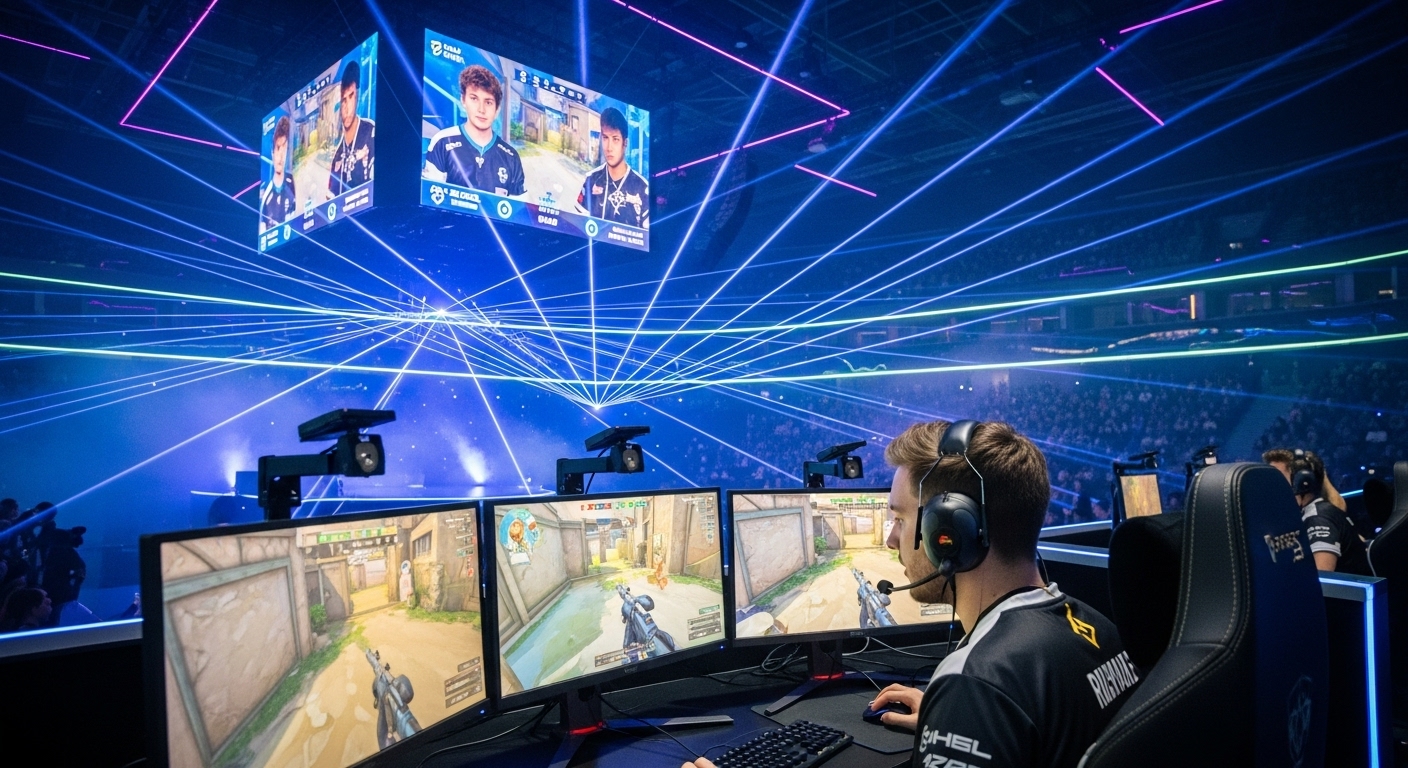
Introduction: The Rapid Growth of Esports
Esports has grown from a niche pastime into a global entertainment phenomenon. Over the last decade, competitive gaming has attracted millions of viewers, professional athletes, and major corporate investments. As we approach 2025, the industry is poised for even greater expansion, innovation, and cultural influence.
The year 2025 promises new trends in technology, audience engagement, game design, monetization, and international competition. Understanding these trends is crucial for players, teams, investors, and fans who want to stay ahead of the curve in this fast-evolving industry.
1. Expansion of Global Esports Markets
Esports is becoming increasingly international, with emerging markets driving growth. While North America, Europe, and East Asia have traditionally dominated the scene, regions such as Latin America, Southeast Asia, and the Middle East are gaining prominence.
Emerging Markets
Countries like Brazil, Mexico, Indonesia, and the United Arab Emirates are investing in esports infrastructure, including tournaments, training facilities, and government support. This expansion diversifies competition and introduces new fanbases to global esports ecosystems.
Local Talent Development
Emerging markets are producing talented players who can compete on an international stage. Organizations are establishing regional academies and scouting programs, ensuring that the next generation of esports stars comes from a truly global talent pool.
2. Growth of Mobile Esports
Mobile gaming is one of the fastest-growing sectors within esports. With the proliferation of smartphones and affordable internet access, mobile esports tournaments are attracting millions of participants and viewers worldwide.
Accessibility and Popularity
Mobile esports games such as Free Fire, PUBG Mobile, and Mobile Legends allow players to compete from virtually anywhere, increasing accessibility for audiences who do not own high-end PCs or consoles.
Mobile-First Tournaments
By 2025, mobile esports will likely host major international events with prize pools comparable to traditional PC or console tournaments. These events emphasize the importance of mobile gaming as a central pillar of the esports ecosystem.
3. Integration of Virtual and Augmented Reality
Technological advancements in virtual reality (VR) and augmented reality (AR) are beginning to shape the future of esports. VR and AR can enhance immersion, provide new gameplay experiences, and create innovative viewing experiences for fans.
Immersive Player Experiences
VR esports games allow players to physically interact with the virtual environment, requiring spatial awareness, agility, and reflexes. These new formats expand the definition of competitive gaming beyond traditional screens.
Enhanced Viewer Engagement
AR overlays during broadcasts can display real-time statistics, player movements, and interactive graphics, offering a more engaging viewing experience for fans. By 2025, AR and VR technologies will be standard tools for both competition and audience interaction.
4. Increasing Investment and Sponsorship Opportunities
The esports industry is attracting significant financial investment from major corporations, venture capitalists, and media companies. Sponsorships are no longer limited to gaming peripherals; lifestyle brands, apparel companies, and even traditional sports organizations are entering the market.
Diverse Sponsorships
Brands are now sponsoring esports teams, tournaments, content creators, and events. This trend broadens the revenue base for the industry while increasing its mainstream visibility.
Franchise-Based Leagues
Major esports titles are adopting franchise-based systems similar to traditional sports, where teams are bought and supported by corporate investors. This ensures financial stability, long-term growth, and standardized competition.
5. Rise of Esports Content and Streaming
Streaming platforms remain at the core of esports engagement. Platforms like Twitch, YouTube Gaming, and emerging alternatives continue to evolve, providing new monetization opportunities and interactive experiences for viewers.
Interactive Streaming
Viewers can influence in-game events, participate in polls, and interact with players during live broadcasts. This interactivity creates a deeper connection between content creators, players, and their audiences.
Short-Form Content
Short clips, highlights, and reels are becoming increasingly popular, attracting younger audiences who consume content in brief, mobile-friendly formats. This trend is influencing how esports organizations package and distribute content.
6. Artificial Intelligence in Esports
Artificial intelligence (AI) is transforming both gameplay and tournament management. AI can analyze player performance, suggest strategies, and even simulate opponents for practice sessions.
Performance Analytics
AI tools track metrics such as reaction time, decision-making efficiency, and in-game positioning. Players and teams use these insights to refine their strategies and gain a competitive edge.
AI-Driven Commentary and Content
AI can generate real-time analysis and commentary for broadcasts, enhancing the spectator experience and providing deeper insights into gameplay strategies.
7. Mental Health and Player Welfare
As esports grows in professionalism, player welfare is becoming a critical focus. Long hours, intense competition, and the pressures of public performance can impact mental and physical health.
Professional Support Systems
Teams are increasingly employing psychologists, nutritionists, and physiotherapists to support players’ mental and physical well-being. These professionals help players manage stress, maintain focus, and avoid burnout.
Work-Life Balance Initiatives
Organizations are adopting structured practice schedules, mandatory breaks, and wellness programs to ensure players maintain sustainable careers. By 2025, player welfare will be a standard expectation in competitive gaming.
8. Gender Diversity and Inclusion
Esports is actively addressing gender diversity and inclusion. Historically male-dominated, the industry is now creating opportunities for female players, mixed-gender teams, and inclusive events.
Female Esports Leagues
Dedicated female leagues and tournaments provide pathways for women to compete professionally. Increased media coverage and sponsorships encourage participation and recognition.
Inclusive Policies
Organizations and game developers are implementing policies to prevent harassment, promote equity, and foster a welcoming environment for players of all genders and backgrounds.
9. Integration With Traditional Sports
The boundary between traditional sports and esports continues to blur. Professional sports teams are investing in esports divisions, and traditional athletes are participating in gaming tournaments.
Cross-Promotion
Esports events now feature collaborations with football, basketball, and racing organizations, merging fan bases and creating new marketing opportunities.
Shared Infrastructure
Training facilities, coaching techniques, and performance analytics from traditional sports are being adapted for esports, elevating the professionalism and competitiveness of digital athletes.
10. Esports Betting and Fantasy Leagues
Esports betting and fantasy leagues are emerging as significant revenue streams. Betting on esports matches mirrors traditional sports betting, while fantasy esports leagues engage fans with strategic team selection and point tracking.
Regulatory Growth
As governments regulate esports betting, the industry gains legitimacy and protection for participants. Regulated betting platforms attract more investors and provide safe opportunities for fans to engage with competitive gaming.
Fan Engagement
Fantasy leagues and betting platforms increase fan engagement by allowing spectators to participate actively, turning viewers into stakeholders in the competition.
11. Sustainability and Eco-Friendly Practices
As esports events scale globally, organizers are addressing environmental sustainability. Energy-efficient venues, digital ticketing, and reduced waste practices are becoming standard.
Green Tournaments
Major esports events are implementing eco-friendly practices, such as LED lighting, digital streaming over physical broadcasts, and recycling initiatives. Sustainability appeals to socially conscious fans and sponsors.
Corporate Responsibility
Sponsors increasingly require teams and events to adopt sustainable practices, aligning esports with broader societal trends toward environmental awareness.
12. Emerging Games and Genres
While traditional esports titles like League of Legends, Dota 2, and Counter-Strike remain dominant, emerging games are shaping the competitive landscape for 2025.
Battle Royale and Hero Shooters
Games such as Fortnite, Apex Legends, and Overwatch continue to attract large audiences and innovative competitive formats. Their fast-paced gameplay and streaming-friendly mechanics make them ideal for tournaments.
Casual and Mobile Competitions
Casual and mobile games with competitive elements, such as Among Us or Clash Royale, are introducing new players to esports, expanding the audience and diversifying the ecosystem.
13. Cloud Gaming and Remote Participation
Cloud gaming technology allows players to compete without high-end hardware, making esports more accessible globally.
Remote Tournaments
Remote competitions are becoming more viable, allowing international players to compete without traveling. This reduces costs, increases participation, and strengthens global connections within the esports community.
Lower Entry Barriers
Cloud gaming democratizes esports, enabling players with modest hardware to compete on equal footing with professionals. This trend broadens the talent pool and encourages global growth.
14. Future Outlook: Esports as Mainstream Entertainment
By 2025, esports will continue to cement its position as mainstream entertainment. Its integration with technology, traditional sports, and global culture ensures its growth for years to come.
Mainstream Media Coverage
Esports will receive increased coverage from television networks, streaming platforms, and digital media, further legitimizing competitive gaming.
Continued Professionalization
Teams, tournaments, and players will adopt professional standards, including structured training, sponsorships, and health management, ensuring that esports is sustainable and respected as a career path.
Cultural Integration
Esports will increasingly influence fashion, music, and entertainment, becoming a cultural touchstone for a digitally native generation.
Conclusion: Embracing the Future of Esports
Esports in 2025 is poised for unprecedented growth, innovation, and global reach. From emerging markets and mobile gaming to VR experiences and mental health initiatives, the industry is evolving into a professional, inclusive, and culturally significant sector.
Players, teams, investors, and fans who understand these trends will be well-positioned to thrive in the dynamic esports ecosystem. Competitive gaming is no longer a niche pastime—it is a global phenomenon shaping the future of entertainment, sports, and digital culture.
As technology advances, new titles emerge, and global audiences expand, esports in 2025 will not just entertain—it will define a generation of digital competition and collaboration.