Introduction: The Evolution of Competitive Play
Just a decade ago, many people brushed off competitive video gaming as a passing hobby for young enthusiasts. Today, esports has transformed into a booming global industry with millions of passionate fans, professional athletes, sponsorship deals, and massive international tournaments. What was once a niche community has now grown into a multibillion-dollar ecosystem that merges athletic skill, digital mastery, entertainment, and technology. This blog explores how esports rose to prominence, why it continues to expand, and what the future holds for this rapidly evolving digital arena.
The Core of Esports: Skill, Strategy, and Spectacle
At its heart, esports is about competition. Much like traditional sports, every game demands a combination of quick thinking, strategic planning, teamwork, and precise execution. The intensity of these digital battles is similar to the fast-paced action of basketball or football, except the field is virtual and the tools are keyboards, controllers, and headsets.
Professional esports athletes spend countless hours honing their skills. They study opponents, analyze game mechanics, practice reaction times, and refine team coordination. Just as a chess grandmaster memorizes openings or a football player drills routines, esports competitors immerse themselves in understanding every nuance of their chosen game. This level of dedication helps elevate esports beyond recreational play and into the realm of true competitive sport.
The Rise of Global Esports Tournaments
One of the most captivating aspects of esports is its grand tournaments. These events attract millions of viewers worldwide and often boast prize pools that rival traditional sporting competitions. Games such as multiplayer battle arenas, tactical shooters, and real-time strategy titles regularly host world championships that draw massive audiences.
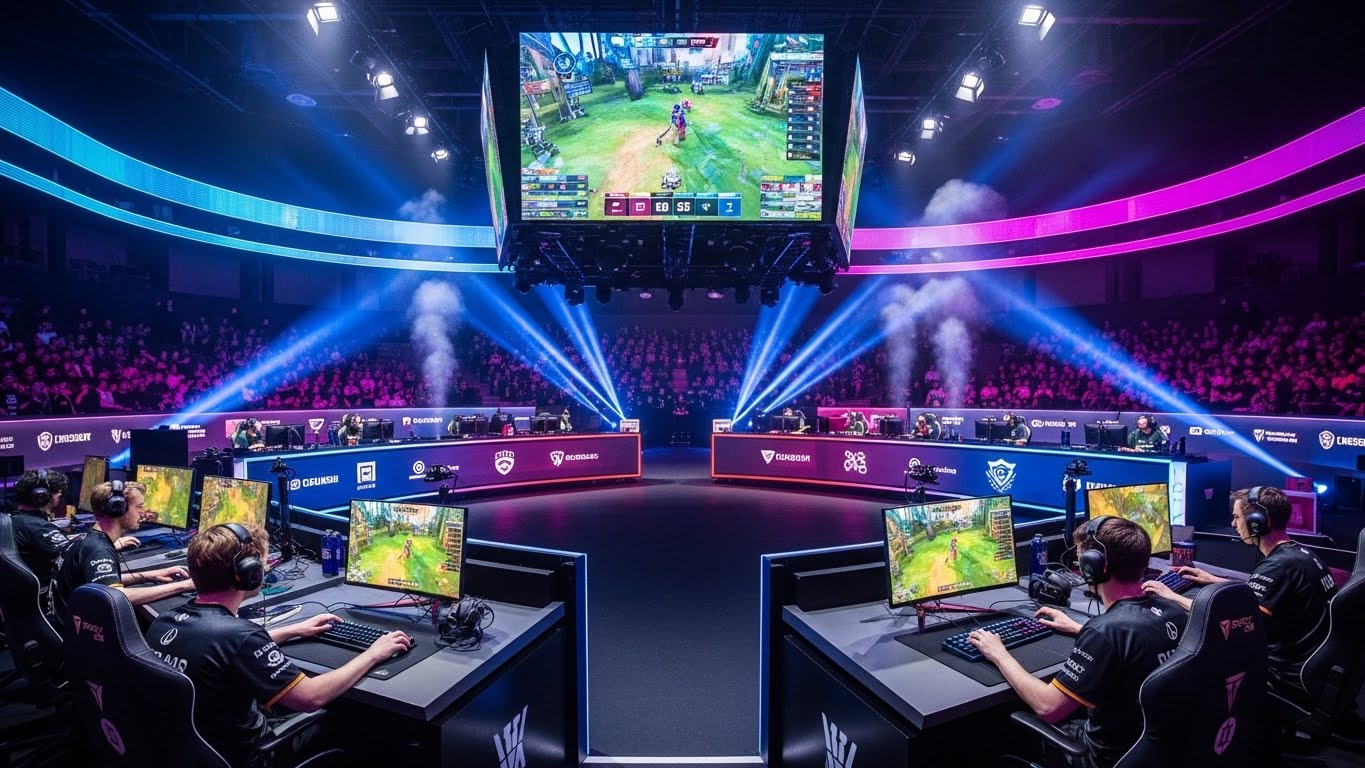
These tournaments are more than just matches; they are full-scale productions. Players enter arenas with flashing lights, cheering crowds, and live commentators explaining every move. The atmosphere creates an electrifying sense of community shared by fans and players alike. The spectacle of these events has pushed esports into mainstream entertainment, proving that the excitement of competitive gaming resonates with audiences across generations and cultures.
Esports as a Legitimate Career Path
As esports continues its global expansion, the notion of a professional gaming career has become increasingly acceptable. What was once seen as an unconventional dream is now a structured profession supported by organizations, coaching staff, analysts, and medical teams. Players sign contracts, earn salaries, and participate in talent development programs designed to extend their careers.
Beyond competing, esports offers diverse career opportunities. Commentators, known as shoutcasters, bring games to life with energetic narration. Event organizers coordinate massive tournaments. Game analysts study performance data to help teams improve. There are also roles in marketing, content creation, broadcasting, and team management. As the industry grows, so do the possibilities for individuals passionate about gaming and digital media.
Streaming: The Fuel Behind Esports Popularity
Streaming platforms revolutionized the way people consume gaming content. Instead of watching pre-recorded clips, fans can experience live gameplay with direct interaction between players, commentators, and viewers. This instant connection creates a sense of community and authenticity that traditional broadcasting rarely achieves.
Professional players often maintain streaming channels, allowing fans to watch their practice sessions and learn from their strategies. This transparent window into an athlete’s daily routine helps build loyal fan bases. Additionally, streamers who may not be tournament competitors still contribute to the esports ecosystem by entertaining millions through creative gameplay, commentary, and personality-driven content.
The Role of Technology in Expanding the Digital Arena
The rapid advancement of technology has played a crucial role in shaping the esports landscape. High-performance gaming equipment, faster internet speeds, and visually stunning game engines have elevated the gaming experience for both players and spectators. The integration of virtual reality and augmented reality is beginning to push competitive gaming into new dimensions, potentially redefining how players compete and how audiences engage with the action.
Furthermore, artificial intelligence is being used to analyze gameplay, predict performance trends, and create customized training tools for professional teams. With these innovations, esports is not just growing in popularity but also transforming how we think about performance, data, and digital entertainment.
A Global Community: Diversity and Inclusion in Esports
One of the most inspiring aspects of esports is its accessibility. Players from any background, regardless of physical ability, gender, or location, can participate. All that is required is a gaming device and an internet connection. This inclusivity has helped esports grow across continents, creating a global community that shares a love for gaming.
Many initiatives now focus on promoting diversity and supporting underrepresented groups within the esports space. Women’s leagues, accessibility technology, youth development programs, and international gaming clubs are helping expand participation. As these efforts continue, the esports community becomes richer and more representative of the global audience it serves.
The Business of Esports: Sponsorships, Merchandising, and Media
Behind the scenes, esports has become a powerful business engine. Brands across technology, fashion, energy drinks, and even traditional sports have recognized the massive potential in partnering with esports organizations. Sponsorships provide teams with financial support while helping brands reach engaged, tech-savvy audiences.
Merchandising has also become a significant revenue stream. Fans purchase jerseys, accessories, and digital items to show support for their favorite teams and players. Meanwhile, media companies invest in broadcasting rights, producing high-quality coverage similar to traditional sports networks. These business partnerships strengthen the infrastructure of esports and ensure long-term sustainability.
Education Meets Esports: Schools and Universities Join the Game
As esports becomes more recognized, educational institutions have begun incorporating it into their programs. Schools and universities around the world now offer esports clubs, training facilities, scholarships, and academic courses focused on game design, digital media, and team management.
These programs help students develop valuable skills such as communication, leadership, critical thinking, and teamwork. Many institutions treat esports teams with the same seriousness as traditional athletic teams, complete with coaching staff and competitive schedules. This integration marks a significant step toward legitimizing esports as an academic and professional pursuit.
Addressing Challenges in the Esports Industry
Despite its tremendous growth, esports faces several challenges. One of the most discussed concerns is the physical and mental health of players. The demands of constant practice, long hours, and high-stakes competition can lead to burnout and stress. Organizations are increasingly recognizing the importance of proper rest, health management, and psychological support for their players.
Another challenge is maintaining fair competition. Issues such as cheating, match manipulation, and game balance require constant oversight. Developers, leagues, and governing bodies work continuously to implement regulations and maintain integrity within the competitive scene.
The Future of Esports: An Expanding Frontier
Looking ahead, esports shows no signs of slowing down. With growing audiences, evolving technologies, and global acceptance, the digital arena is poised for even more innovation. Virtual arenas, AI-powered coaching, global youth circuits, and advanced streaming platforms could redefine how fans experience competitions. In time, esports may stand alongside traditional sports in global recognition, with events that captivate audiences just as the Olympics or World Cup do today.
Conclusion: A New Era of Competitive Entertainment
Esports has revolutionized the meaning of competition in the digital age. Combining athletic skill, technology, entertainment, and community, it offers a dynamic platform where creativity and strategy thrive. What began as small gatherings of gaming enthusiasts has transformed into a global celebration of skill and innovation.
As we move further into an increasingly digital world, esports will continue to shape how we play, how we compete, and how we connect. In this new era of competitive entertainment, the digital arena stands as a powerful reminder that sport is not defined by physical boundaries but by passion, talent, and the thrill of competition.