Introduction
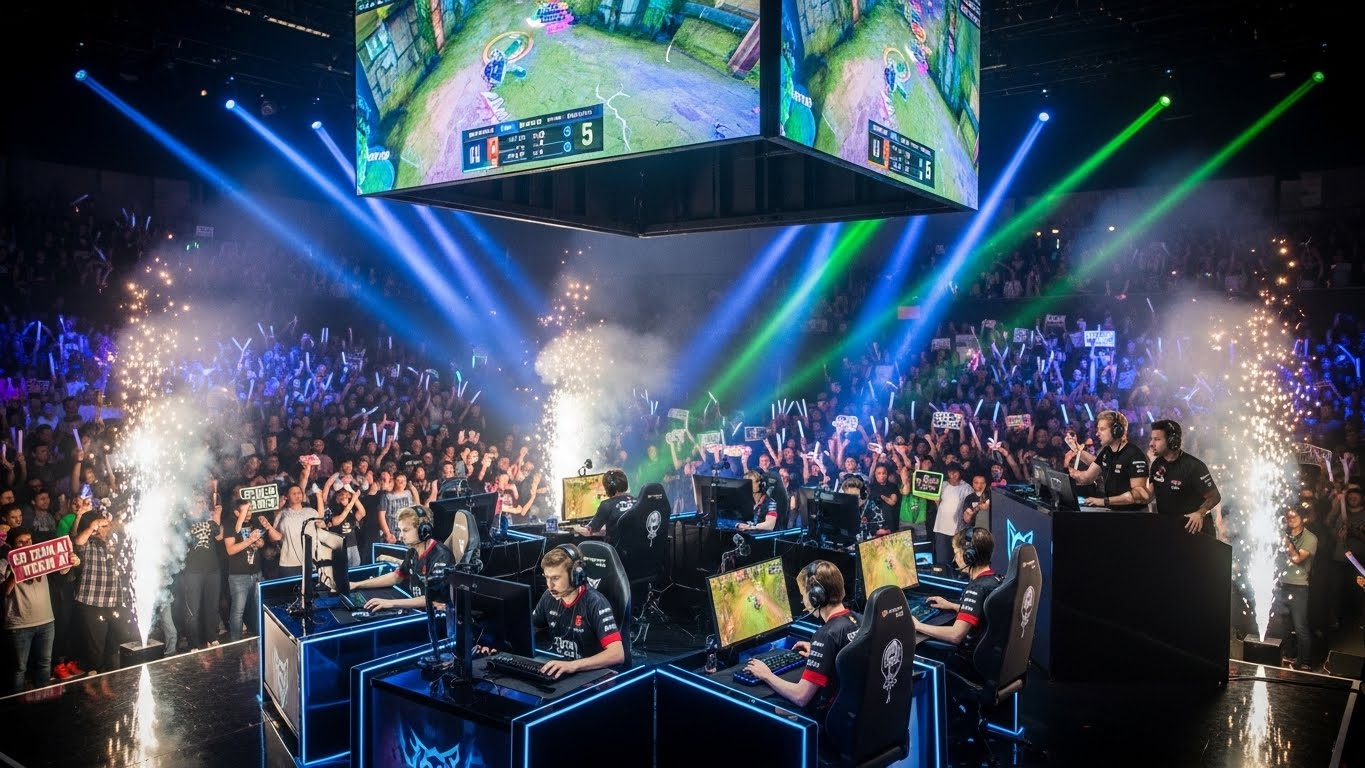
Esports has transformed from a niche pastime into one of the fastest-growing entertainment industries in the world. Once considered just a hobby for teenagers sitting in dimly lit rooms, competitive gaming now fills stadiums, attracts millions of viewers online, and produces professional athletes with lucrative careers. This blog explores how esports evolved, why it captivates audiences, and where it is heading next, all while breaking down the elements that make this modern sport an unstoppable global force.
The Evolution of Competitive Gaming
The story of esports began long before the world recognized it as a mainstream form of entertainment. In the early days of gaming, competitions were small, often hosted at arcades or universities. These events brought together passionate players eager to prove their skills in titles like Space Invaders, Street Fighter, and early PC strategy games. There were no massive audiences, no media coverage, and certainly no grand prizes.
As technology advanced, so did the culture of gaming. The internet made it possible for players to connect, compete, and collaborate regardless of physical distance. Multiplayer games became more complex and strategy-driven, giving rise to communities that were as dedicated as any traditional sports fanbase. With the arrival of early online tournaments, the foundations of esports were laid. What once felt like informal gatherings slowly developed into organized, international competitions.
By the early 2000s, esports had begun to form its own identity. Titles such as Counter-Strike, Warcraft III, and StarCraft became staples of competitive play. These games were not only entertaining but also deeply skill-based, making them perfect for structured tournaments. Over time, sponsorships, media coverage, and dedicated leagues began to shape the competitive gaming landscape into something more professional.
The Modern Esports Landscape
Today, esports stands as a polished, multi-billion-dollar industry. Professional players train with the same intensity as athletes in physical sports. Teams have coaches, analysts, nutritionists, and full-time support staff. Dedicated training facilities resemble professional athletic environments, with players practicing for hours each day.
The modern scene is defined by blockbuster games that draw millions of viewers around the world. Titles like League of Legends, Dota 2, Valorant, and Fortnite dominate the competitive ecosystem. Each game has its own community, culture, and global tournament circuit. The biggest events easily rival traditional sports championships in terms of viewership. The International, the League of Legends World Championship, and the Valorant Champions event attract global audiences and offer massive prize pools.
What truly sets esports apart is its accessibility. Anyone with a gaming device and an internet connection can dream of becoming a professional. While the path to the top is incredibly difficult, the barrier to entry is far lower than in many traditional sports. This accessibility fuels participation and ensures a constant stream of new talent eager to compete.
The Impact of Streaming and Digital Media
Esports owes much of its explosive growth to live streaming platforms. These platforms changed how audiences interact with entertainment. Instead of simply watching, viewers can chat with streamers, react live, and feel part of a global community. Compact tournament highlights, real-time commentary, and fan-driven content spread effortlessly across social platforms, making esports events visible far beyond dedicated gaming communities.
Streaming also democratized fame. In the past, athletes needed television coverage to gain visibility. In contrast, esports players and content creators can build their careers directly through their online presence. Many professional players maintain streaming schedules, allowing fans to watch their training routines and gameplay. This direct connection between player and audience builds loyalty and deepens the sense of community.
Why Esports Captures the Global Imagination
Several factors contribute to the magnetic appeal of esports. For one, the games themselves are inherently engaging. They combine strategy, teamwork, creativity, and lightning-fast reflexes. Watching a top-tier match can feel similar to watching a high-level chess battle, but with the speed and excitement of an action movie.
Secondly, esports is universal. Unlike traditional sports that rely on physical strength, height, or special equipment, gaming is accessible to people of almost any background. This inclusivity makes the competitive scene diverse and global. From South Korea to Europe to North America and Southeast Asia, esports has developed thriving communities in every corner of the world.
Perhaps the strongest element of esports is its culture. It is fueled by passion, creativity, and innovation. Fans form deep connections not just with teams or players but with the games themselves. The blend of strategy and personal expression allows everyone to appreciate the skill involved, whether they are casual gamers or seasoned competitors.
The Rise of Esports Education and Career Opportunities
As esports continues to grow, so do its professional opportunities. Many universities now offer esports programs, scholarships, and research initiatives. Students can study game design, digital marketing, broadcasting, and management within the esports space. The industry demands a wide range of skills, creating room for careers beyond playing professionally.
Broadcasters, event organizers, coaches, analysts, graphic designers, and content creators all play vital roles in esports. Major tournaments require production crews similar to traditional sports broadcasts. These roles create pathways for individuals passionate about gaming but not necessarily interested in competitive play.
Educational initiatives also help combat stereotypes about gaming. Instead of viewing it as a waste of time, institutions are recognizing its potential for teaching teamwork, strategic thinking, and technological literacy.
The Financial Power of Esports
The financial growth of esports is remarkable. Sponsorships, advertising, media rights, team merchandise, and player branding all contribute to a thriving economy. Major companies across technology, fashion, entertainment, and even automotive industries invest heavily in esports. These partnerships not only increase funding but also elevate the professionalism of the industry.
Prize pools for top tournaments are staggering, and professional teams operate similarly to traditional sports franchises. Some organizations even own training facilities, merchandise lines, and youth academies to nurture upcoming talent.
The revenue potential continues to expand as the industry explores new markets. Mobile esports, for example, has become increasingly popular in regions where mobile devices are more common than gaming consoles or PCs. Games like Mobile Legends, PUBG Mobile, and Free Fire have carved out massive competitive scenes with dedicated fanbases.
The Role of Technology in Shaping Esports’ Future
Technology plays a central role in the evolution of esports. Advancements in game engines, internet infrastructure, and hardware create faster, smoother, and more immersive gameplay. Virtual reality and augmented reality hold the potential to introduce entirely new forms of competitive gaming. Additionally, artificial intelligence is improving training methods, player analysis, and spectator enhancements.
Cloud gaming may further expand accessibility, allowing people to engage in competitive play without expensive hardware. With these innovations, esports is likely to remain at the forefront of digital entertainment.
Challenges Facing the Esports Industry
Despite its success, esports faces challenges. Player burnout is a growing concern. With intense practice schedules and constant competition, mental and physical fatigue can take a toll. Ensuring player well-being is becoming a major issue for teams and organizers.
The industry also deals with issues related to regulation, fair play, and professionalism. Since esports is still relatively young, standardized rules and governance are still evolving. Cheating, account sharing, and match integrity remain topics of discussion.
Another challenge is the volatility of gaming titles. Unlike traditional sports that remain constant, esports relies on games that can change or lose popularity. The health of the industry depends on adapting to new trends while maintaining competitive stability.
The Future of Esports
The future of esports looks exceptionally promising. As technology improves and global interest grows, esports is poised to become even more integrated into mainstream entertainment. The boundaries between gaming and traditional sports continue to blur, especially as major sports organizations invest in esports teams and events.
Schools and universities will likely expand esports programs, and career opportunities within the industry will continue to diversify. With younger generations growing up immersed in digital culture, esports has secured its position as a major force in global entertainment.
Conclusion
Esports has become far more than a form of entertainment. It is a cultural movement, an industry filled with opportunity, and a global community united by passion for competitive gaming. Its journey from small arcade competitions to worldwide stadium events is a testament to how technology and creativity can reshape an entire ecosystem. As esports continues to evolve, it stands ready to inspire new generations of players, fans, and innovators who will carry the digital arena forward.