Introduction
Esports, or competitive gaming, has evolved from niche hobbyist competitions into a global phenomenon that rivals traditional sports in viewership, prize money, and cultural influence. Once considered a pastime for a small segment of dedicated gamers, esports is now a multibillion-dollar industry, attracting professional athletes, investors, media attention, and enthusiastic audiences worldwide.
The growth of esports represents more than just the popularity of video games. It reflects the convergence of technology, entertainment, social interaction, and competition. Today, esports tournaments fill stadiums, attract millions of online viewers, and create careers for players, coaches, analysts, and content creators. This blog explores the history, rise, impact, and future of esports, highlighting why it has become one of the most influential forms of modern entertainment.
The Origins of Esports
Competitive gaming is not a recent phenomenon. Its roots trace back to the 1970s when players competed in early arcade games like “Pong” and “Space Invaders.” However, esports as we know it today began taking shape in the 1990s with the growth of personal computers and multiplayer gaming.
Games such as “Quake,” “StarCraft,” and “Counter-Strike” were among the first to create communities centered around competition. Players would gather in local tournaments, and eventually, these competitions expanded online as the internet became more accessible. The development of online multiplayer platforms allowed players to challenge others globally, laying the foundation for modern esports leagues.
The Golden Age of PC Gaming
The late 1990s and early 2000s marked the golden age of PC esports. Real-time strategy games like “StarCraft” in South Korea gained enormous popularity, leading to national leagues and professional players who were treated like celebrities. First-person shooters like “Counter-Strike” established international competitive circuits, with teams traveling across continents to compete in major tournaments.
During this period, esports began to develop formal structures. Professional teams were created, sponsorships emerged, and dedicated tournaments offered cash prizes. Online forums, early streaming platforms, and LAN parties allowed fans to follow competitions, fostering a sense of community and excitement around competitive gaming.
Consoles Enter the Arena
While PC gaming dominated early esports, consoles also contributed to the industry’s growth. Fighting games such as “Street Fighter” and sports simulations like “FIFA” became popular competitive titles. Console esports offered accessibility to a broader audience, allowing players who did not have high-end PCs to participate in organized competitions.
Events like the Evolution Championship Series (EVO) became annual highlights, attracting players and spectators from around the world. The console esports ecosystem proved that competitive gaming was not limited to PC platforms and could thrive across multiple devices.
The Streaming Revolution
A major turning point for esports was the rise of live streaming. Platforms like Twitch, YouTube Gaming, and Mixer allowed fans to watch competitions in real-time from anywhere in the world. This accessibility gave esports an unprecedented reach, rivaling traditional sports broadcasts.
Streaming transformed the way players and audiences interacted. Fans could follow their favorite teams, watch live commentary, and participate in chats during matches. Content creators emerged as influential figures, building communities and generating revenue through subscriptions, sponsorships, and donations. Live streaming turned esports into a spectator sport, creating an ecosystem that extends beyond players to commentators, analysts, and fans.
Popular Esports Titles
Esports encompasses a wide variety of games, each with its own competitive scene and community. Some of the most influential titles include:
1. League of Legends: A multiplayer online battle arena game that dominates global esports with annual championships, professional leagues, and massive prize pools.
2. Dota 2: Known for its complex strategies and competitive depth, Dota 2 hosts “The International,” a tournament with one of the largest prize pools in esports history.
3. Counter-Strike: Global Offensive: A first-person shooter that has maintained popularity for over a decade, with professional leagues and global tournaments.
4. Fortnite: A battle royale game that brought esports to mainstream culture, attracting millions of players and viewers with its fast-paced competitions.
5. Call of Duty: A franchise that blends console and PC esports, offering leagues and tournaments across multiple platforms.
6. Overwatch: A team-based shooter that emphasizes strategy, coordination, and individual skill, supported by a professional league with franchised teams.
These games highlight the diversity of esports, ranging from strategic and tactical gameplay to fast-paced action and team coordination. Each title has created its own culture, professional ecosystem, and dedicated fan base.
Professionalization of Esports
Esports has become highly professionalized, with players training like traditional athletes. Professional teams hire coaches, analysts, nutritionists, and psychologists to optimize performance. Players maintain rigorous schedules, practicing for hours each day, analyzing opponents, and refining strategies.
The rise of esports academies and training facilities mirrors professional sports structures. Organizations invest in talent development, scouting, and mentorship programs to nurture the next generation of players. Sponsorship deals, endorsements, and media appearances provide financial incentives, creating viable career paths in a field once considered unconventional.
Esports Tournaments and Events
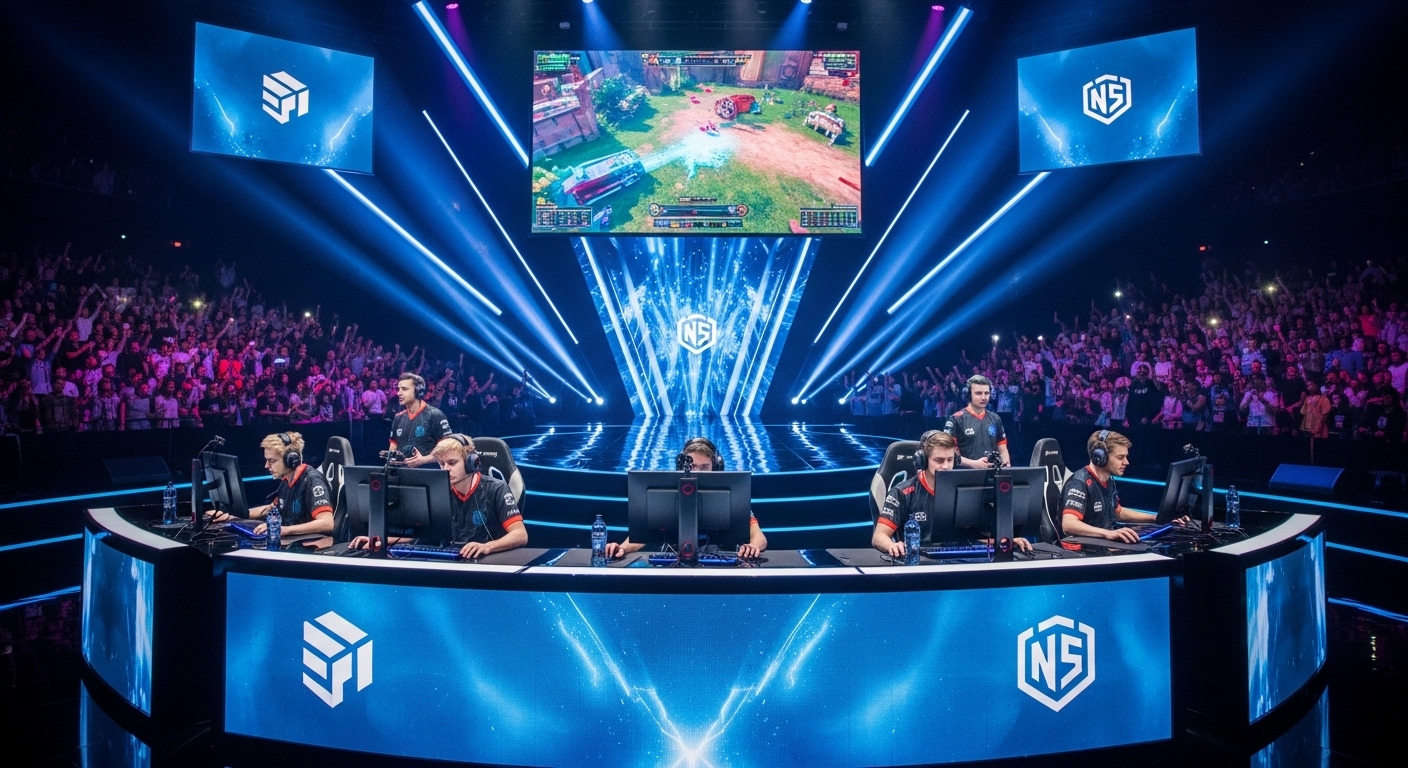
Esports tournaments are now major global events, attracting millions of viewers online and filling stadiums for live competitions. Events like the League of Legends World Championship, Dota 2’s The International, and Fortnite World Cup showcase the scale and popularity of competitive gaming.
These tournaments feature elaborate productions, live commentary, and extensive media coverage. Prize pools have reached tens of millions of dollars, highlighting the industry’s economic significance. Beyond prize money, tournaments create opportunities for marketing, branding, and fan engagement, further solidifying esports as a major entertainment sector.
Esports and Media Integration
The integration of esports into mainstream media has accelerated its growth. Television networks, streaming platforms, and social media channels now cover esports events, interviews, and highlights. Sports broadcasters recognize esports as a viable entertainment genre, offering dedicated coverage and commentary.
Documentaries, player biographies, and behind-the-scenes content provide insights into the lives of esports professionals. This media exposure has elevated esports players to celebrity status, attracting sponsorships from global brands and increasing the cultural legitimacy of competitive gaming.
The Role of Technology in Esports
Technology is at the heart of esports, enabling high-quality gameplay, broadcasting, and analytics.
1. High-Performance Hardware: Advanced PCs, gaming consoles, monitors, and peripherals ensure competitive performance and reduce latency.
2. Streaming Infrastructure: High-speed internet, dedicated servers, and video encoding technology make real-time broadcasting possible for millions of viewers.
3. Analytics Tools: Data-driven insights help teams analyze performance, track opponent behavior, and optimize strategies.
4. Communication Platforms: Tools like Discord and team voice channels facilitate coordination and strategy development.
The continuous advancement of technology allows esports to scale globally while maintaining high-quality experiences for players and audiences.
Esports as a Cultural Phenomenon
Esports has transcended gaming to become a cultural movement. It influences fashion, music, social media trends, and even education. Universities offer scholarships for esports athletes, recognizing competitive gaming as a legitimate pursuit. Esports communities foster social interaction, teamwork, and shared passion, connecting people across cultures and geographies.
Streaming personalities, influencers, and professional players serve as role models for younger generations. Esports culture promotes creativity, problem-solving, and strategic thinking, emphasizing that competitive gaming requires skill, discipline, and dedication.
Challenges in Esports
Despite its success, esports faces challenges.
1. Regulation and Governance: The industry lacks standardized global regulations, leading to disparities in player rights, tournament fairness, and revenue distribution.
2. Mental and Physical Health: Professional players often experience burnout, stress, and repetitive strain injuries due to long hours of practice and competition.
3. Accessibility and Inclusion: Efforts are needed to ensure diversity and inclusion, providing opportunities for players of all backgrounds.
4. Cheating and Fair Play: Maintaining integrity in online competitions requires robust anti-cheat systems and monitoring tools.
Addressing these challenges is crucial for the sustainable growth of esports as a professional and cultural sector.
The Economics of Esports
Esports generates billions in revenue annually, with income streams from sponsorships, advertising, media rights, merchandise, and ticket sales. Major tournaments attract corporate sponsorships from technology, beverage, fashion, and automotive brands. Content creation, streaming, and esports media contribute significantly to industry profitability.
The economic impact of esports extends to ancillary industries, including hardware manufacturing, software development, event management, and marketing. Esports is not only entertainment—it is a global economic powerhouse driving innovation and employment opportunities.
The Future of Esports
The future of esports is poised for continued growth and innovation.
1. Global Expansion: Emerging markets in Asia, South America, and Africa are seeing increased participation and investment.
2. Virtual and Augmented Reality: Immersive technologies will enhance audience engagement and gameplay experiences.
3. Cross-Platform Competition: Seamless integration across PC, console, and mobile platforms will expand participation.
4. Professionalization and Education: Esports academies, universities, and structured leagues will nurture future talent and establish sustainable career paths.
5. Integration with Traditional Sports: Collaborations between esports and traditional sports organizations will create hybrid events and attract diverse audiences.
As technology and society evolve, esports will continue to redefine entertainment, competition, and culture, cementing its place as a dominant global phenomenon.
Conclusion
Esports represents the intersection of gaming, technology, and entertainment, creating a new paradigm for competitive play. From humble beginnings in arcades and LAN parties to global stadiums and online streaming platforms, esports has grown into a professional, cultural, and economic powerhouse.
It provides opportunities for players, content creators, and fans to connect, compete, and engage in ways that were once unimaginable. With continued technological innovation, global expansion, and professionalization, esports will shape the future of entertainment and redefine what it means to be a competitive athlete in the digital age.
Esports is not just a game—it is a revolution, a community, and a testament to the power of technology, skill, and human creativity.