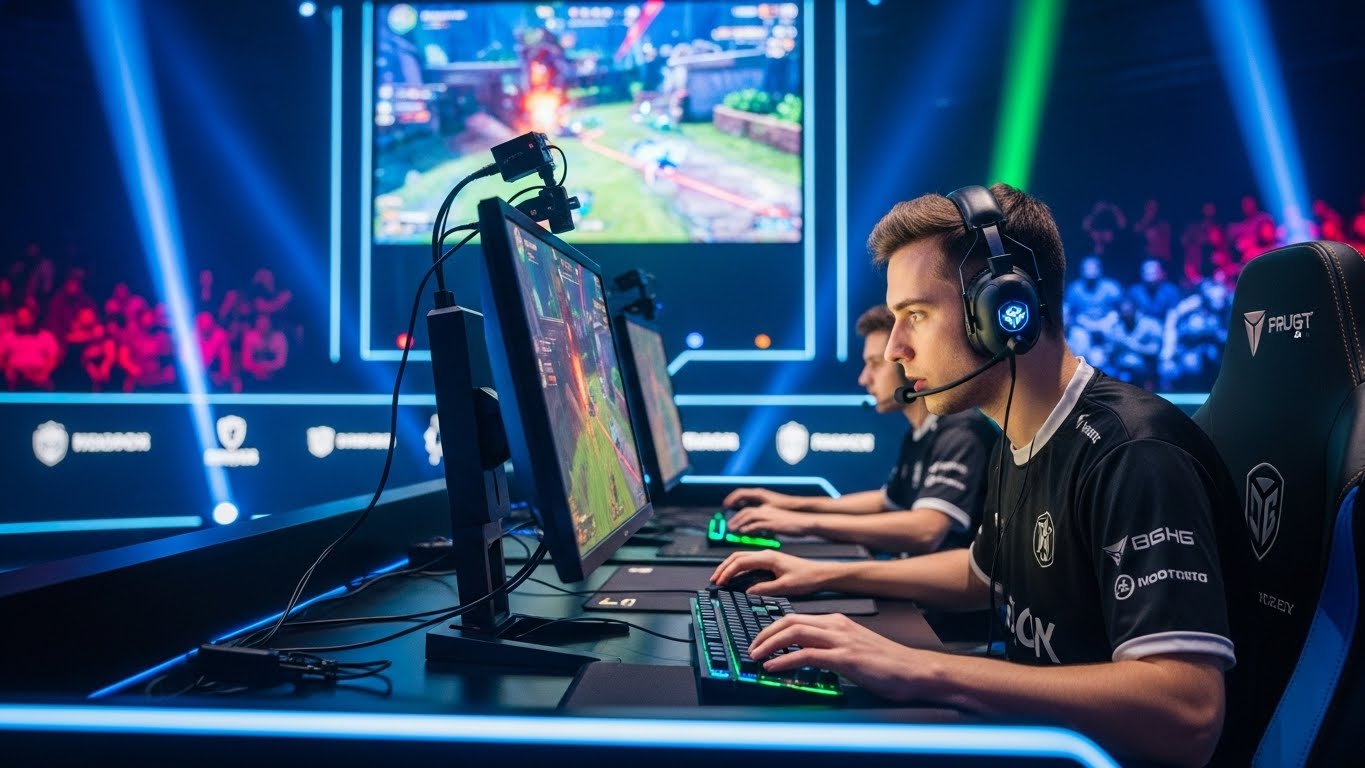
Introduction: A New Era of Competitive Play
Over the past decade, esports has transformed from a niche interest into a global entertainment powerhouse. What once took place in small LAN centers now fills massive arenas, draws millions of viewers, and supports a thriving multimillion-dollar industry. Esports has become more than just playing games competitively; it represents a new cultural movement, blending technology, entertainment, sportsmanship, and community. This blog explores how esports rose to prominence, what makes it unique, and why its future looks brighter than ever.
The Origins of Esports: From Arcades to Arenas
Esports didn’t emerge overnight. Its roots can be traced back to early arcade competitions and home console challenges. In the 1970s and 1980s, players gathered to test their skills in games like Space Invaders and Pac-Man. These events were small and simple, but they laid the foundation for organized gaming competitions.
The 1990s brought PC gaming and the rise of titles like Doom, Quake, StarCraft, and Counter-Strike. Online multiplayer technology allowed players from around the world to compete without needing to be physically present. This era marked the beginning of esports as we recognize it today. Tournaments expanded, prize pools grew, and gaming communities became more connected.
By the early 2000s, esports leagues had begun forming, offering structure and professionalism. Competitive gaming was no longer merely a hobby; it was becoming a legitimate pursuit for skilled players.
What Makes Esports So Popular?
The popularity of esports is driven by several compelling factors that resonate with both gamers and non-gamers.
Accessibility for Everyone
Unlike traditional sports, esports does not require physical strength or expensive training equipment. All players need is a capable device, an internet connection, and practice. This accessibility enables people of all ages, backgrounds, and abilities to participate.
Global Community
Esports is inherently global. Players compete across continents, fans connect through social platforms, and games develop worldwide cultures. A match between teams from Europe and Asia can attract viewers from dozens of countries.
High-Level Strategy and Skill
Although esports takes place on screens, the level of strategy, precision, and teamwork involved is comparable to any physical sport. Professional players train for hours daily, analyzing strategies and perfecting mechanics. Fans appreciate the mastery and depth behind their favorite titles.
Entertainment Value
From flashy graphics to dynamic gameplay, esports events are visually captivating. The production quality of major tournaments rivals that of traditional sports broadcasts, complete with commentators, analysis desks, player interviews, and dramatic stage designs.
The Biggest Esports Titles and Their Communities
Esports thrives on its diverse game genres. Each game offers a different experience, and each community contributes to the overall ecosystem.
Multiplayer Online Battle Arenas
Games like League of Legends and Dota 2 are pillars of the esports world. These games feature intense team-based gameplay, complex strategies, and massive international tournaments with million-dollar prize pools.
First-Person Shooters
Titles such as Counter-Strike, Valorant, and Call of Duty offer fast-paced, high-precision action. These games attract players who value quick reflexes, strategic decision-making, and team coordination.
Sports Simulations
FIFA, NBA 2K, and other sports games bring traditional sports fans into the world of gaming. Many real sports teams sponsor players who represent them in digital leagues.
Battle Royale and Mobile Games
Games like Fortnite, PUBG, and mobile titles have broadened esports’ reach. Mobile esports in particular has exploded in popularity in regions where smartphones are more accessible than high-end PCs.
Each of these categories contributes to an expansive esports universe filled with passionate fans, dedicated players, and constant evolution.
The Business of Esports: A Rapidly Growing Industry
Esports is not only a cultural phenomenon but also a powerful business sector.
Sponsorships and Branding
Major brands invest heavily in esports, sponsoring teams, players, and events. These partnerships help esports grow financially while giving companies access to young, tech-savvy audiences.
Media Rights and Broadcasting
Streaming platforms have become central to esports consumption. Millions tune in live to watch tournaments, much like traditional sports. Broadcasting rights are now a significant revenue source for event organizers.
Merchandise and Team Apparel
Fans proudly wear jerseys of their favorite teams or influencers. Merchandise sales generate substantial profits and help strengthen team identity.
Professional Organizations and Salaries
Esports athletes now earn competitive salaries, bonuses, and endorsements. Teams hire coaches, analysts, managers, nutritionists, and mental performance experts, elevating the level of professionalism in the industry.
Training and Life as a Professional Esports Athlete
Becoming a professional esports player requires discipline, teamwork, and dedication. The lifestyle is demanding and far more structured than many people realize.
Intense Practice Schedules
Pros train for six to twelve hours daily, analyzing matches, studying opponents, and scrimmaging with teammates.
Physical and Mental Preparation
Contrary to stereotypes, esports requires excellent physical maintenance. Hand-eye coordination, reaction speed, and mental endurance are crucial. Many pros follow workout routines, balanced diets, and rest cycles to maintain peak performance.
Team Dynamics and Strategy
Esports is often a team sport. Coordination, communication, and trust are essential. Teams constantly refine strategies, adapt to meta changes, and innovate gameplay approaches.
Being a pro gamer is a legitimate career, and many players earn comfortable incomes through salaries, prize money, and sponsorships.
Esports and Education: A Surprising Partnership
Educational institutions are embracing esports more than ever. Schools and universities are developing esports clubs, classes, and even scholarship programs.
Learning Through Gaming
Esports teaches valuable skills such as strategic thinking, collaboration, communication, and time management. Students involved in esports often show improved academic engagement.
Esports Degrees and Career Paths
Some universities now offer degrees in esports management, broadcasting, and game design. The industry requires more than just players; it needs producers, marketers, analysts, event coordinators, and business professionals.
The Role of Technology in Esports Growth
Esports owes much of its success to advancements in technology.
Faster Internet
High-speed connections make global competition seamless, allowing players to challenge each other from across the world.
Improved Hardware
Powerful processors, graphics cards, and gaming peripherals allow players to compete at higher levels.
Streaming Platforms
Live streaming has made esports accessible to millions. The ability to watch, interact, and learn from players created a connected culture that supports long-term growth.
The Cultural Impact of Esports
Esports has become a cultural force, influencing entertainment, fashion, technology, and even traditional sports.
A New Kind of Celebrity
Professional players and gaming influencers have massive fanbases. They inspire, entertain, and shape gaming trends.
Esports in Mainstream Media
Esports events appear on television, in documentaries, and even in movies. Many traditional sports organizations partner with esports teams to expand their reach.
Global Unity Through Gaming
Esports connects people across nations, languages, and backgrounds. It shows how digital spaces can foster global unity and shared experiences.
The Future of Esports: What Lies Ahead
The future of esports is bright, with limitless potential. As technology continues to evolve, so will competitive gaming.
Virtual Reality and New Experiences
VR esports may soon bring even more immersive competitions.
Increasing Professional Standards
More structured leagues, better player protections, and expanded career opportunities are on the horizon.
Mainstream Recognition
Esports may one day be part of global sporting events. As the industry matures, the line between traditional sports and digital sports continues to blur.
Conclusion: A Movement That Will Only Grow
Esports has redefined what it means to be an athlete, an entertainer, and a fan. With its global reach, dynamic energy, and endless innovation, it has become one of the most influential modern industries. Whether you are a player, a viewer, or someone curious about gaming culture, now is the perfect time to explore the world of esports. Its journey is just beginning, and the future promises even greater excitement, growth, and opportunity.